The AI Learning Compass: Navigating the Intersection of Digital Literacy and Inclusive Education Through Intelligent Systems
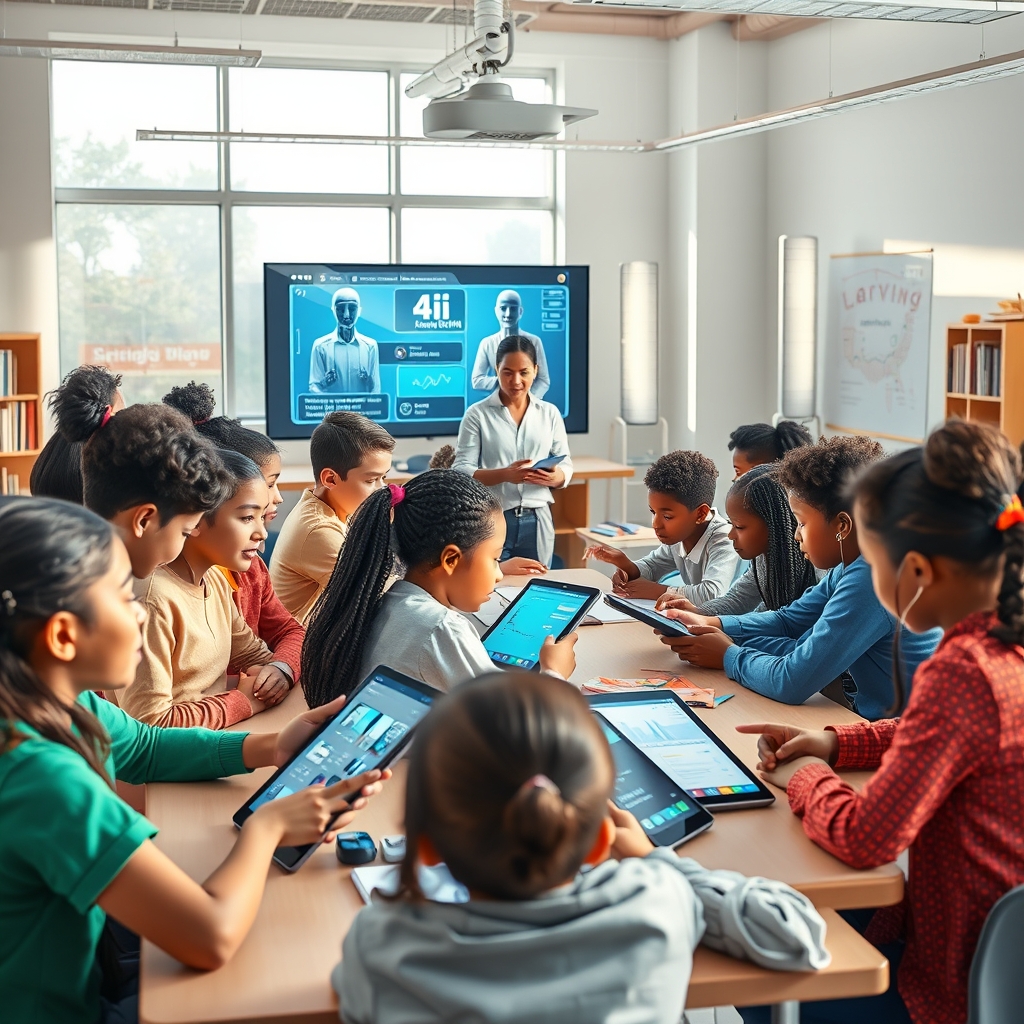
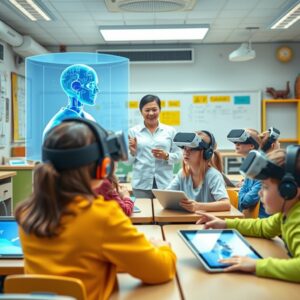
In an era where technology permeates every facet of our lives, education stands at a crossroads. The traditional classroom, once the cornerstone of learning, is evolving into a dynamic ecosystem where artificial intelligence (AI) is not just a tool but a transformative force. This shift is not merely about integrating technology into education; it’s about reimagining how we teach, learn, and ensure that every student, regardless of background or ability, has the opportunity to thrive in a digitally driven world. At the heart of this transformation lies the promise of AI to bridge gaps, foster inclusivity, and cultivate digital literacy in ways that were once unimaginable.
The Digital Literacy Imperative
Digital literacy is no longer a luxury; it is a necessity. As the world becomes increasingly interconnected, the ability to navigate, evaluate, and create digital content is as fundamental as reading and writing. Yet, for many learners, especially those from underserved communities, access to digital tools and the skills to use them effectively remains out of reach. AI is changing this narrative by democratizing access to digital literacy. Intelligent systems can adapt to individual learning paces, provide real-time feedback, and offer personalized resources that cater to diverse learning needs. For instance, AI-powered platforms can break down complex digital concepts into digestible microlearning modules, making it easier for students to grasp foundational skills without feeling overwhelmed.
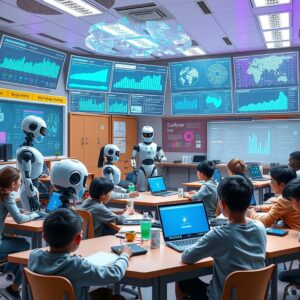
Moreover, AI-driven tools are equipping educators with the means to identify and address gaps in digital literacy. Learning analytics, a subset of AI, can track student progress, highlight areas of struggle, and suggest targeted interventions. This data-driven approach ensures that no student is left behind, whether they are learning to code, analyze data, or critically assess online information. By embedding digital literacy into the curriculum through AI, schools are not just preparing students for the future; they are empowering them to shape it.
Inclusive Education: AI as the Great Equalizer
Inclusivity in education has long been a goal, but achieving it has proven challenging. Traditional educational models often struggle to accommodate the diverse needs of students, particularly those with disabilities, language barriers, or different learning styles. AI is emerging as a powerful ally in the quest for inclusive education. Intelligent tutoring systems, for example, can provide one-on-one support to students with learning disabilities, offering tailored explanations and adaptive exercises that align with their unique needs. These systems can also translate content in real-time, breaking down language barriers and making learning accessible to non-native speakers.
Generative AI tools are another game-changer in fostering inclusivity. These tools can create customized learning materials, such as simplified texts, audio descriptions, or interactive simulations, that cater to a wide range of abilities. For students with visual impairments, AI can generate detailed audio descriptions of images or diagrams, while for those with dyslexia, it can adjust text formatting to improve readability. By leveraging AI, educators can create learning environments that are not only inclusive but also empowering, allowing every student to engage with content in a way that resonates with them.
The Role of Blended Learning in AI-Driven Education
Blended learning, which combines traditional classroom instruction with online learning, has gained traction as a flexible and effective educational model. AI is enhancing blended learning by making it more adaptive and responsive to student needs. For example, AI can analyze student performance in both in-person and online settings, providing educators with insights into how to optimize their teaching strategies. If a student excels in online discussions but struggles with in-class assignments, AI can suggest adjustments to the curriculum or recommend additional resources to support their learning.
Furthermore, AI-powered platforms can facilitate seamless transitions between online and offline learning. Intelligent systems can curate personalized learning paths that blend digital and physical resources, ensuring that students remain engaged regardless of the setting. This hybrid approach not only accommodates different learning preferences but also prepares students for a world where digital and physical interactions are increasingly intertwined. By integrating AI into blended learning, educators can create a more dynamic and inclusive educational experience that meets the needs of all learners.
Cultivating Critical Thinking Through AI
While AI offers unprecedented opportunities to enhance digital literacy and inclusivity, it also presents challenges, particularly in the realm of critical thinking. As students interact with AI-generated content, they must develop the skills to evaluate its accuracy, bias, and relevance. AI can play a dual role in this process: as both a tool for learning and a subject of scrutiny. For instance, educators can use AI to simulate real-world scenarios where students must analyze and interpret data, fostering critical thinking and problem-solving skills. At the same time, students can learn to question the outputs of AI systems, understanding their limitations and potential biases.
Project-based learning (PBL) is one approach that can help students develop these critical skills. By working on interdisciplinary projects that require them to research, collaborate, and create, students can apply their digital literacy and critical thinking skills in meaningful ways. AI can support PBL by providing real-time feedback, suggesting resources, and even generating ideas for projects. For example, an AI tool might help students brainstorm solutions to a community problem, guiding them through the process of research, analysis, and presentation. Through these experiences, students learn not only how to use AI but also how to think critically about its role in their lives.
The Future of Lifelong Learning
The impact of AI on education extends far beyond the classroom. In a rapidly changing world, lifelong learning has become essential for personal and professional growth. AI is making lifelong learning more accessible and personalized than ever before. Microlearning platforms, powered by AI, deliver bite-sized lessons that fit into busy schedules, allowing learners to acquire new skills at their own pace. These platforms can also adapt to individual learning styles, ensuring that the content is engaging and effective.
For professionals, AI-driven learning analytics can identify skill gaps and recommend courses or resources to address them. This personalized approach to lifelong learning ensures that individuals can stay competitive in their careers while pursuing their passions. Moreover, AI can facilitate connections between learners, creating communities where knowledge is shared and collaboration thrives. Whether through online forums, virtual study groups, or AI-powered mentorship programs, lifelong learners can benefit from a supportive and dynamic ecosystem that evolves with their needs.
As we stand on the brink of a new educational paradigm, the fusion of AI, digital literacy, and inclusive education holds the promise of a more equitable and empowering future. The tools and technologies at our disposal are not just reshaping how we learn; they are redefining what it means to be educated in the 21st century. The journey is not without its challenges, but with AI as our compass, we can navigate the complexities of modern education and create pathways that lead to success for all learners. The question is no longer whether AI will transform education, but how we will harness its potential to build a future where every student has the opportunity to thrive.