
The AI Learning Renaissance: How Intelligent Systems Are Unlocking Personalized, Experiential, and Equitable Pathways for Tomorrow’s Learners
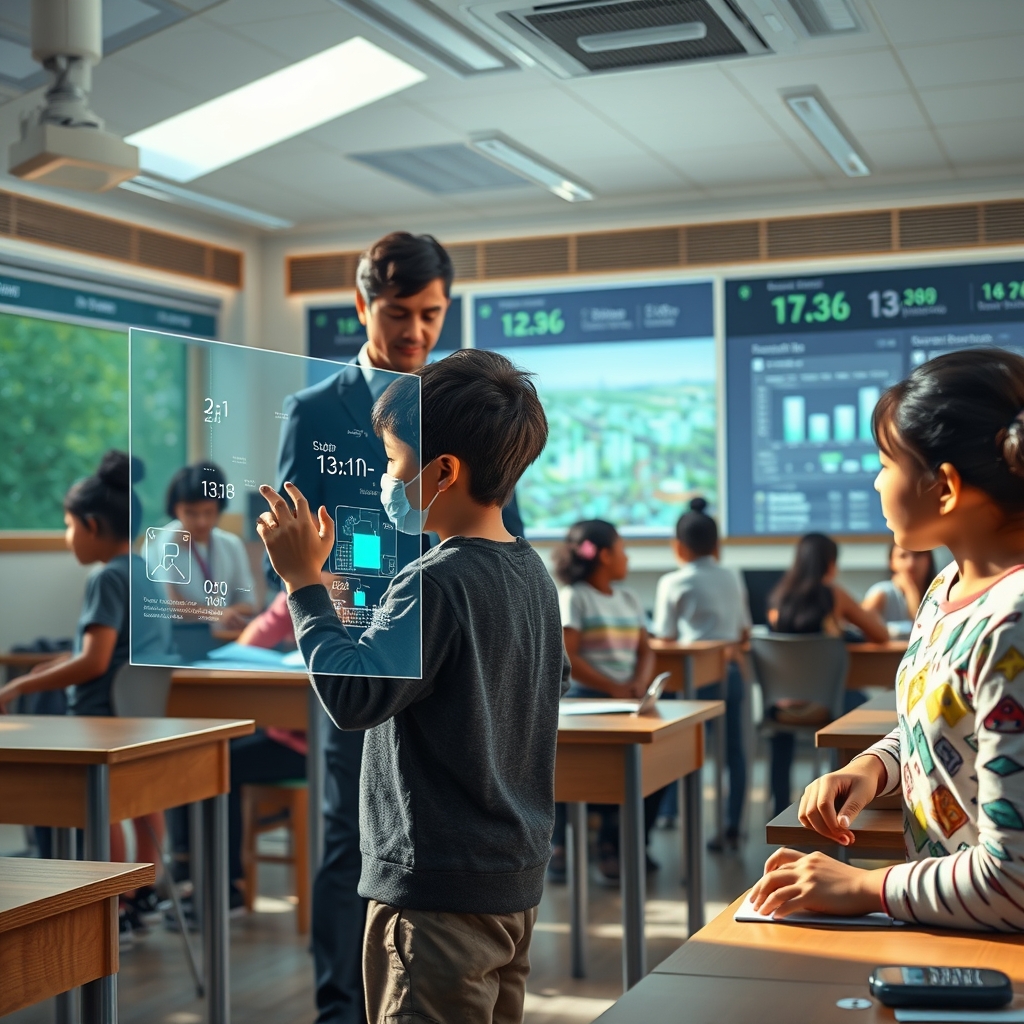
The traditional classroom, with its rigid structures and one-size-fits-all approach, is undergoing a profound transformation. At the heart of this evolution lies artificial intelligence, a force that is not just reshaping how we teach and learn but redefining the very essence of education itself. No longer confined to the pages of science fiction, AI is now a tangible reality, weaving its way into the fabric of learning environments to create experiences that are as unique as the students they serve. This is not merely a technological upgrade; it is a renaissance—a rebirth of educational possibilities that prioritize personalization, equity, and experiential discovery.
The Power of Personalized Learning: AI as the Ultimate Educator
Imagine a classroom where every student’s strengths, weaknesses, and passions are not just acknowledged but actively nurtured. AI makes this vision a reality through intelligent tutoring systems that adapt in real-time to each learner’s needs. These systems analyze vast amounts of data—from response times to engagement levels—to craft bespoke learning pathways that evolve alongside the student. For instance, a student struggling with algebraic concepts might receive targeted exercises, interactive simulations, or even gamified challenges designed to reinforce understanding. Conversely, a student excelling in the same subject could be presented with advanced problems or interdisciplinary projects that connect math to real-world applications, such as coding or data science.
This level of personalization extends beyond academic performance. AI-driven platforms can also account for learning styles, cultural backgrounds, and even emotional states, ensuring that education is not just effective but inclusive. By removing the constraints of traditional pacing, AI empowers students to learn at their own rhythm, fostering a sense of autonomy and confidence that is often elusive in conventional settings.
Blended Learning: The Best of Both Worlds
While AI excels in personalization, its true potential is unlocked when combined with the human touch. Blended learning, which integrates digital tools with face-to-face instruction, creates a dynamic ecosystem where technology and pedagogy coexist harmoniously. In this model, AI handles the heavy lifting of data analysis, content delivery, and adaptive feedback, freeing educators to focus on what they do best: inspiring, mentoring, and building meaningful relationships with their students.
Consider a history lesson where AI curates primary sources, interactive timelines, and virtual reality experiences tailored to each student’s interests. Meanwhile, the teacher facilitates discussions, encourages critical thinking, and helps students draw connections between historical events and contemporary issues. This synergy not only enhances engagement but also cultivates a deeper understanding of the subject matter. Blended learning also bridges gaps in access, allowing students in remote or underserved communities to benefit from high-quality resources and expert instruction that might otherwise be out of reach.
Digital Literacy: Preparing Students for a Tech-Driven World
In an era where technology permeates every aspect of life, digital literacy is no longer optional—it is a fundamental skill. AI plays a pivotal role in developing this competency by immersing students in environments where they must navigate, evaluate, and create digital content. From coding platforms that teach computational thinking to AI-powered writing assistants that help refine communication skills, these tools demystify technology and empower students to become active participants in the digital world.
Moreover, AI-driven simulations and virtual labs provide safe spaces for students to experiment, fail, and iterate—an essential process in developing resilience and problem-solving skills. For example, a biology student might use an AI-powered lab to conduct virtual dissections or model genetic experiments, gaining hands-on experience without the limitations of physical resources. These experiences not only enhance subject mastery but also prepare students for careers in fields that are increasingly reliant on technology.
Generative Tools: Unleashing Creativity and Critical Thinking
One of the most exciting frontiers in AI-driven education is the rise of generative tools. These systems, which can create text, images, music, and even entire learning modules, are transforming students from passive consumers of information into active creators. Imagine a literature class where students use AI to generate alternate endings to classic novels, then analyze the implications of these changes. Or a design course where AI assists in prototyping ideas, allowing students to iterate rapidly and explore creative solutions to real-world problems.
Generative tools also foster interdisciplinary learning by breaking down the silos between subjects. A project on climate change, for instance, might integrate AI-generated data visualizations, student-written policy proposals, and collaborative presentations that draw on science, social studies, and communication skills. This approach not only makes learning more engaging but also mirrors the complexity of the modern world, where problems rarely fit neatly into a single discipline.
Learning Analytics: Data-Driven Insights for Educators
Behind the scenes, AI is quietly revolutionizing the way educators understand and support their students. Learning analytics, powered by AI, provide real-time insights into student performance, engagement, and progress. These tools can identify patterns that might go unnoticed in a traditional classroom—such as a student who consistently struggles with a particular concept or a group that disengages during certain types of activities. Armed with this data, educators can intervene early, adjust their teaching strategies, and provide targeted support to ensure no student falls through the cracks.
For administrators, learning analytics offer a bird’s-eye view of school-wide trends, enabling data-driven decision-making about curriculum, resource allocation, and professional development. This shift from intuition-based to evidence-based education has the potential to significantly improve outcomes, particularly in underserved communities where resources are often limited.
Inclusive Education: AI as a Catalyst for Equity
Perhaps the most profound impact of AI in education is its potential to level the playing field. For students with disabilities, AI-powered tools like speech-to-text software, real-time transcription, and adaptive interfaces can remove barriers that have long hindered their participation. Similarly, language learners benefit from AI-driven translation tools and personalized language exercises that accelerate their proficiency. By tailoring content to individual needs, AI ensures that every student, regardless of background or ability, has the opportunity to thrive.
AI also addresses systemic inequities by providing access to high-quality educational resources in regions where they are scarce. Online degree programs and microlearning platforms, powered by AI, allow students in remote or economically disadvantaged areas to pursue education on their own terms. This democratization of learning is not just about access; it is about empowerment, giving students the tools they need to shape their own futures.
Project-Based and Experiential Learning: Bridging Theory and Practice
Education is most effective when it is relevant, and nothing makes learning more relevant than real-world application. AI enhances project-based and experiential learning by providing students with immersive, hands-on experiences that bridge the gap between theory and practice. For example, an AI-powered simulation might task students with designing a sustainable city, requiring them to apply knowledge from science, engineering, economics, and social studies. As they iterate on their designs, AI provides feedback, suggests improvements, and even connects them with experts in the field.
These experiences not only deepen understanding but also cultivate essential skills like collaboration, creativity, and critical thinking. In a world where the jobs of tomorrow have yet to be invented, these skills are the currency of success. By integrating AI into experiential learning, educators are not just preparing students for the future—they are helping them invent it.
As we stand on the precipice of this educational renaissance, it is clear that AI is not a replacement for human educators but a powerful ally in their mission to inspire and empower. The classrooms of tomorrow will be dynamic, adaptive, and deeply personal, where every student’s journey is as unique as their fingerprint. This is not just the future of education; it is the future of humanity—a future where learning knows no bounds, and every mind has the opportunity to shine.



