The AI-Powered Classroom: How Intelligent Tutoring Systems and Blended Learning Are Crafting the Future of Inclusive Critical Thinking
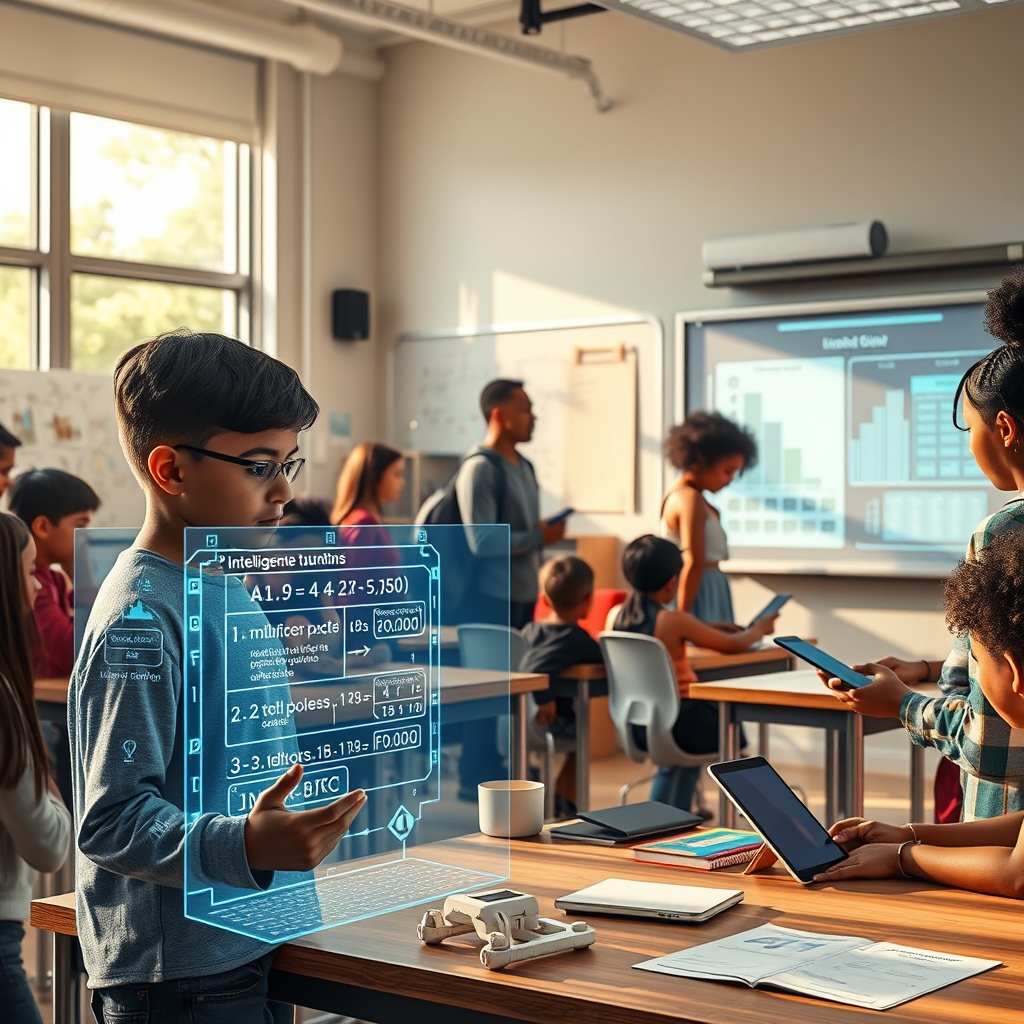
Imagine a classroom where every student receives the exact support they need, precisely when they need it—where lessons adapt in real-time to individual strengths, weaknesses, and learning styles. This is no longer a distant dream but a rapidly unfolding reality, thanks to the convergence of artificial intelligence and blended learning. As education undergoes a digital transformation, intelligent tutoring systems (ITS) are emerging as the unsung heroes of inclusive education, ensuring that no learner is left behind while fostering the critical thinking skills essential for the 21st century.
The Rise of Intelligent Tutoring Systems
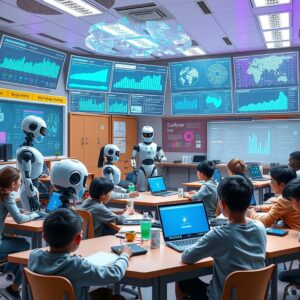
Intelligent tutoring systems are AI-driven platforms designed to simulate one-on-one human tutoring. Unlike traditional digital learning tools, these systems leverage learning analytics to assess a student’s performance continuously, identifying gaps in understanding and tailoring instruction accordingly. For example, if a student struggles with algebraic equations, an ITS can break down the problem into smaller, more manageable steps, offering hints or alternative explanations until mastery is achieved. This level of personalized learning was once the exclusive domain of private tutors or small-group instruction, but AI is democratizing access to such high-quality support.
Research from institutions like Carnegie Mellon University and the University of Memphis has demonstrated that ITS can improve student outcomes by as much as two standard deviations compared to traditional classroom instruction. The secret lies in their ability to provide immediate, targeted feedback—a feature that human teachers, no matter how skilled, cannot replicate at scale. Moreover, these systems are not confined to a single subject. From language arts to STEM, ITS are being deployed across disciplines, making them a cornerstone of interdisciplinary learning.
Blended Learning: The Perfect Partner for AI
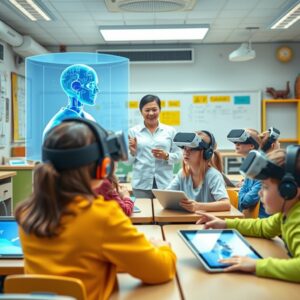
While intelligent tutoring systems excel in delivering personalized instruction, they are most effective when integrated into a blended learning environment. Blended learning combines traditional face-to-face instruction with digital tools, creating a flexible, student-centered approach that caters to diverse learning needs. In this model, AI acts as a force multiplier, allowing teachers to focus on what they do best—fostering creativity, facilitating discussions, and building relationships—while the technology handles the heavy lifting of individualized instruction.
Consider a high school science class where students engage in project-based learning. The teacher introduces a complex topic, such as climate change, through a hands-on experiment or group discussion. Meanwhile, an ITS works in the background, providing students with supplementary resources, quizzes, and simulations tailored to their understanding of the subject. Struggling students receive additional scaffolding, while advanced learners are challenged with enrichment activities. This hybrid approach ensures that every student progresses at their own pace, without the constraints of a one-size-fits-all curriculum.
The Equity Dividend
One of the most profound impacts of AI in education is its potential to bridge the equity gap. Traditional classrooms often struggle to accommodate students with varying abilities, backgrounds, and learning needs. Intelligent tutoring systems, however, are inherently inclusive. They adapt to each student’s unique profile, whether they require extra time to grasp a concept, need materials in multiple languages, or benefit from alternative modes of instruction, such as visual or auditory learning. This adaptability is particularly transformative for students with disabilities, English language learners, and those from underserved communities, who may otherwise fall through the cracks.
A study by the RAND Corporation found that schools implementing AI-driven personalized learning saw significant improvements in achievement for historically marginalized students. By providing equitable access to high-quality instruction, AI is not just leveling the playing field—it’s redefining what’s possible in education. Yet, this transformation is not without challenges. Ensuring that AI tools are free from bias, accessible to all, and aligned with educational standards requires ongoing collaboration between technologists, educators, and policymakers.
Cultivating Critical Thinkers for the Digital Age
Beyond academic achievement, the true promise of AI in education lies in its ability to cultivate critical thinking and problem-solving skills. Intelligent tutoring systems do more than deliver content; they engage students in active learning. For instance, an ITS might present a student with a real-world scenario—such as designing a sustainable city—and guide them through the process of analyzing data, evaluating trade-offs, and proposing solutions. This experiential learning approach mirrors the complexities of the modern workforce, where rote memorization is far less valuable than the ability to think creatively and adapt to new challenges.
Moreover, AI can help students develop digital literacy, a skill that is no longer optional in an increasingly technology-driven world. By interacting with intelligent systems, students learn to navigate digital tools, evaluate the credibility of online information, and understand the ethical implications of AI. These competencies are essential for preparing learners to thrive in a future where technology and human ingenuity intersect in unprecedented ways.
The Human Element: AI as a Collaborator, Not a Replacement
Despite the remarkable capabilities of AI, it is not a panacea. The most effective educational ecosystems are those that strike a balance between technology and human connection. Teachers remain irreplaceable—they inspire, mentor, and create the emotional and social contexts that foster deep learning. AI, in this sense, is not a replacement for educators but a powerful ally, freeing them from administrative burdens and enabling them to focus on what truly matters: nurturing the next generation of thinkers, innovators, and leaders.
As we stand on the brink of this educational revolution, the question is no longer whether AI will transform learning but how we can harness its potential responsibly and equitably. The classrooms of the future will be dynamic, adaptive, and inclusive, where technology and humanity work in harmony to unlock the full potential of every learner. In this new era, the goal is not just to educate but to empower—to equip students with the skills, confidence, and curiosity they need to navigate an ever-changing world. And perhaps, in the process, we will redefine what it means to learn, teach, and grow together.