
The Ripple Effect: How Study Abroad Programs and Cultural Exchange Create Waves of Global Understanding
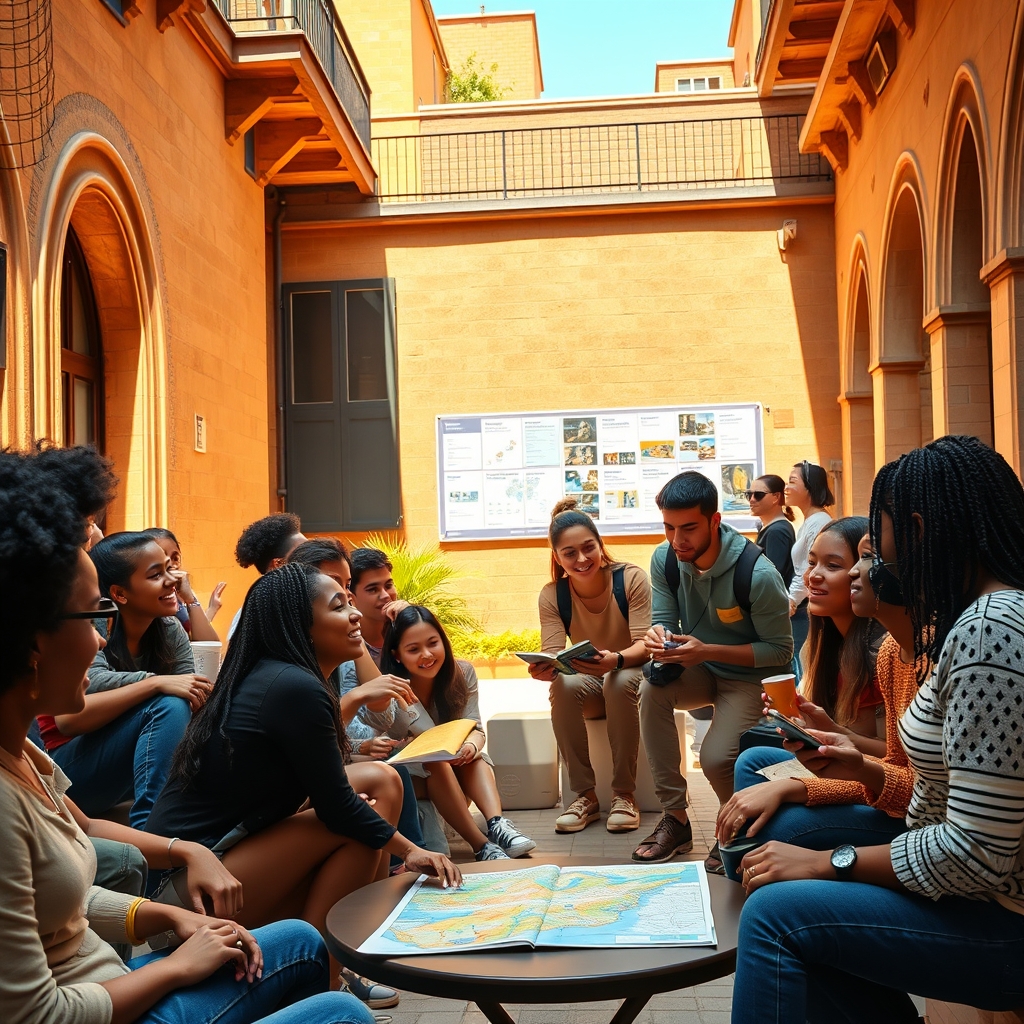
In an era where borders are increasingly porous and digital connectivity blurs geographical lines, the concept of International Student Mobility has evolved from a niche academic pursuit into a cornerstone of modern education. At its heart, this movement is not just about earning credits in a foreign university or ticking off a bucket-list experience—it is about fostering Global Citizenship Education through immersive, transformative encounters. Whether through a semester abroad, a Cultural Exchange Program, or a Virtual Exchange Program, students are no longer passive observers of the world; they are active participants in shaping a more interconnected and empathetic global society.
The Power of Presence: Why Physical Mobility Still Matters
While virtual exchanges and online collaborations have expanded access to global learning, there remains an irreplaceable magic in physical mobility. Stepping onto a foreign campus, navigating a new city, and adapting to unfamiliar social norms force students out of their comfort zones in ways that no Zoom call ever could. Programs like the Erasmus Plus Scholarship have democratized this experience, making it possible for students from diverse backgrounds to study in Europe, Asia, or the Americas without the burden of prohibitive costs. The result? A generation of learners who don’t just understand cultural differences in theory but have lived them—sometimes awkwardly, often profoundly.
Take, for example, the Host Family Placement model. Living with a local family does more than provide affordable accommodation; it offers a front-row seat to the rhythms of daily life in another culture. From shared meals to weekend outings, these experiences dissolve stereotypes and build bridges of understanding. A student from Brazil living with a family in Japan might discover that the quiet reserve they initially mistook for coldness is, in fact, a deep sense of respect. Similarly, a German student placed with a host family in Morocco might learn that hospitality is not just a social nicety but a sacred duty. These are the moments where Intercultural Competence is forged—not in textbooks, but in the unscripted, messy, beautiful reality of human connection.
The Language of Connection: More Than Words
One of the most tangible benefits of studying abroad is the opportunity to develop Foreign Language Fluency. Yet, the true value of language acquisition extends far beyond grammar rules and vocabulary lists. Language is the key that unlocks cultural nuances, humor, and even unspoken social contracts. A student who arrives in Spain with a basic grasp of Spanish will find their skills rapidly accelerating not just in the classroom, but in cafés, markets, and late-night conversations with new friends. The Language Exchange Program model takes this a step further, pairing students with locals who want to learn their native tongue. This reciprocal learning fosters mutual respect and creates a safe space for mistakes—a crucial ingredient in the language-learning process.
But language is not just about speaking; it’s about listening. The ability to understand idioms, sarcasm, and cultural references is what transforms a tourist into a temporary local. It’s what allows a student in South Korea to laugh at a joke about aegyo or a participant in a Short-Term Study Abroad program in Italy to appreciate the art of la dolce far niente. These linguistic and cultural competencies are the building blocks of Cross-Cultural Adaptability, a skill that is increasingly valuable in our globalized workforce.
The Logistics of Transformation: Navigating the Practicalities
For all its romanticism, international education is not without its challenges. Securing an International Student Visa, navigating a Credit Transfer System, and adapting to different academic expectations can feel overwhelming. This is where Pre-Departure Orientation becomes invaluable. These sessions equip students with the tools they need to thrive abroad, from cultural etiquette to emergency protocols. They also address the emotional aspects of mobility—homesickness, culture shock, and the pressure to “make the most” of the experience. By setting realistic expectations, pre-departure programs help students approach their journey with curiosity rather than anxiety.
Financial considerations are another critical factor. While scholarships like Erasmus Plus or Tuition Waiver programs can alleviate some of the burden, many students still rely on personal savings or part-time work. The rise of Educational Tourism has also introduced new opportunities, such as short-term programs that combine academic coursework with travel. These options make global learning more accessible to students who might not be able to commit to a full semester abroad. Whether through a two-week intensive course in Costa Rica or a summer program in South Africa, these experiences prove that transformative learning doesn’t always require a long-term commitment.
The Digital Dimension: When Physical Mobility Isn’t an Option
Not every student has the means or desire to study abroad in person, and that’s where Virtual Exchange Programs come into play. These initiatives leverage technology to create cross-cultural collaborations between students in different countries. Through joint projects, discussion forums, and virtual cultural events, participants gain exposure to diverse perspectives without leaving their home campuses. While they lack the sensory richness of physical mobility, virtual exchanges offer their own unique advantages: flexibility, scalability, and the ability to connect with peers in regions that might be logistically or politically difficult to visit.
For example, a student in the U.S. might collaborate with peers in Kenya on a project about sustainable agriculture, or a group in India might partner with counterparts in Sweden to explore solutions for urban pollution. These interactions cultivate Global Learning Experiences that are just as valid as those gained through traditional study abroad. They also prepare students for the reality of today’s workforce, where remote collaboration across time zones is increasingly the norm.
The Unseen Legacy: How Study Abroad Shapes More Than Just Students
The impact of international education extends far beyond the individual. When students return home, they bring with them not just souvenirs and photographs, but new ways of thinking, problem-solving, and engaging with the world. They become ambassadors of their host cultures, challenging stereotypes and fostering curiosity among their peers. A student who has lived in Senegal might organize a film screening about West African cinema at their university, or a participant in a Cultural Immersion program in Thailand might start a cooking club to share the flavors of their experience. These small acts create ripples that spread through communities, fostering a culture of openness and global awareness.
Moreover, the relationships formed during study abroad often endure long after the program ends. Host families become lifelong connections, classmates become professional collaborators, and friendships forged in foreign cities become the foundation of a global network. In an age where nationalism and isolationism are on the rise, these personal ties serve as a powerful counterforce, reminding us that our shared humanity transcends borders. The world may be vast, but it is also deeply interconnected—and it is through experiences like these that we begin to truly understand what that means.



