
The Currency of Connection: How International Student Mobility Redefines Educational Tourism and Global Learning
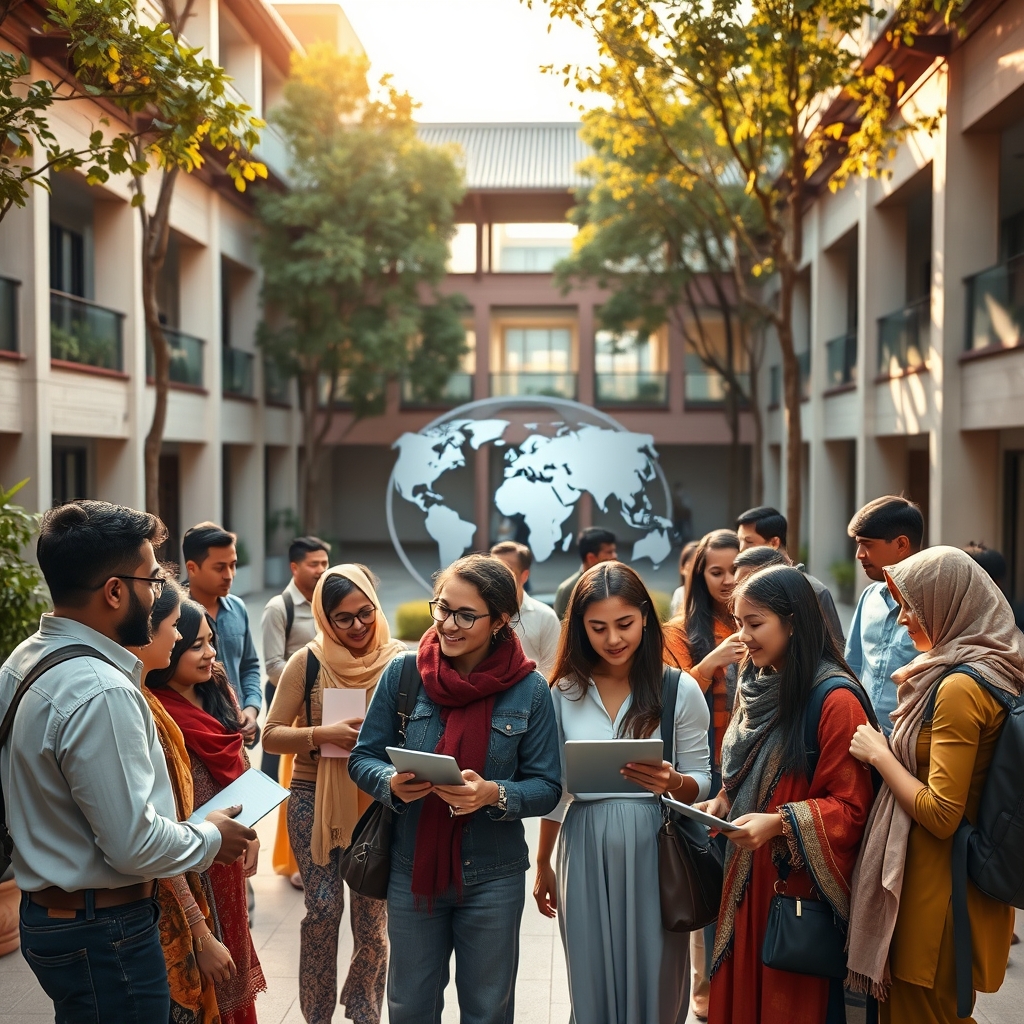
In an era where borders are increasingly porous and digital connectivity blurs geographical lines, the concept of educational tourism has evolved far beyond mere sightseeing. Today, it represents a dynamic fusion of learning, cultural immersion, and personal transformation—one that is reshaping how students engage with the world. At the heart of this evolution lies international student mobility, a phenomenon that transcends traditional academia to cultivate global citizens equipped with intercultural competence, adaptability, and a nuanced understanding of our interconnected world.
The New Face of Educational Tourism
Educational tourism is no longer confined to week-long excursions or guided tours of historical landmarks. Instead, it has expanded to encompass semester abroad programs, short-term study abroad opportunities, and even virtual exchange initiatives that bring global classrooms to students’ screens. These experiences are designed not just to educate but to immerse, challenging students to step outside their comfort zones and engage with diverse perspectives in ways that textbooks simply cannot replicate.
Programs like the Erasmus Plus Scholarship have democratized access to these opportunities, offering tuition waivers and financial support to students who might otherwise be unable to participate. By removing financial barriers, such initiatives are fostering a more inclusive global learning environment, where students from varied socioeconomic backgrounds can contribute to and benefit from the richness of cultural exchange. The result is a more equitable and representative form of educational tourism—one that prioritizes depth over distance and connection over consumption.
The Role of Cultural Immersion in Shaping Global Citizens
At the core of international student mobility is cultural immersion, a process that goes beyond surface-level interactions to foster genuine understanding and empathy. Whether through host family placements, language exchange programs, or community-based projects, students are encouraged to live, learn, and grow within the fabric of a new culture. This hands-on approach to global citizenship education allows them to develop cross-cultural adaptability, a skill that is increasingly valuable in our globalized workforce.
For instance, a student participating in a semester abroad in Spain might begin with basic language skills but leave with near-fluency in Spanish, a deep appreciation for local customs, and a network of friends and mentors that spans continents. Similarly, a short-term study abroad program in Japan could challenge a student’s preconceived notions about work culture, social etiquette, or even personal identity. These experiences are not just about acquiring knowledge; they are about reshaping worldviews and building bridges between cultures.
Navigating the Practicalities: From Visas to Credit Transfers
While the benefits of international student mobility are undeniable, the logistical challenges can be daunting. Securing an international student visa, navigating credit transfer systems, and preparing for pre-departure orientation are just a few of the hurdles students must overcome. However, these challenges also present opportunities for growth, teaching resilience, problem-solving, and adaptability—skills that are invaluable in both personal and professional spheres.
Many institutions now offer comprehensive support systems to ease this transition. Pre-departure orientations, for example, equip students with the tools they need to thrive in a new environment, from cultural norms to emergency protocols. Meanwhile, credit transfer systems ensure that the academic work completed abroad counts toward their degree, making it easier for students to integrate these experiences into their educational journey. These structures not only facilitate smoother transitions but also reinforce the idea that global learning is an integral part of modern education, not just an optional add-on.
The Future of Global Learning: Hybrid and Virtual Exchange Programs
The COVID-19 pandemic accelerated a shift that was already underway: the rise of virtual exchange programs. These initiatives leverage technology to create global classrooms, allowing students to engage in cross-cultural dialogue, collaborative projects, and even language exchange without leaving their home countries. While they cannot fully replicate the depth of in-person cultural immersion, virtual exchanges offer a scalable and accessible alternative, particularly for students who face financial, physical, or logistical barriers to traditional study abroad programs.
Hybrid models, which combine in-person and virtual components, are also gaining traction. For example, a student might participate in a virtual exchange program during the academic year, followed by a short-term study abroad experience during the summer. This blended approach maximizes the benefits of both formats, providing flexibility while still fostering meaningful connections. As technology continues to advance, these programs will likely become even more immersive, incorporating virtual reality, augmented reality, and other innovations to create richer, more interactive global learning experiences.
The Ripple Effect of Intercultural Competence
The impact of international student mobility extends far beyond the individual. Students who participate in these programs often return home with a renewed sense of purpose, eager to share their experiences and advocate for global understanding. They become ambassadors of cultural exchange, whether through community engagement, professional networks, or simply their everyday interactions. In this way, the ripple effect of intercultural competence spreads, fostering a more empathetic, connected, and globally aware society.
Moreover, the skills and perspectives gained through these experiences are increasingly sought after by employers. In a world where businesses operate across borders and teams are often dispersed across continents, the ability to navigate cultural differences, communicate effectively, and adapt to new environments is invaluable. International student mobility, therefore, is not just an investment in personal growth but also a strategic advantage in the global job market.
As the world continues to shrink and our challenges grow ever more interconnected, the value of global learning experiences cannot be overstated. Whether through a semester abroad, a virtual exchange, or a short-term cultural immersion program, international student mobility offers a pathway to deeper understanding, greater empathy, and a more inclusive vision of the future. It is not just about seeing the world but about engaging with it—one connection, one conversation, and one shared experience at a time. The currency of this new era is not just knowledge but connection, and the exchange rate has never been more favorable.



