
The Invisible Classroom Architect: How AI and Learning Analytics Are Crafting Equitable, Project-Based Learning Experiences
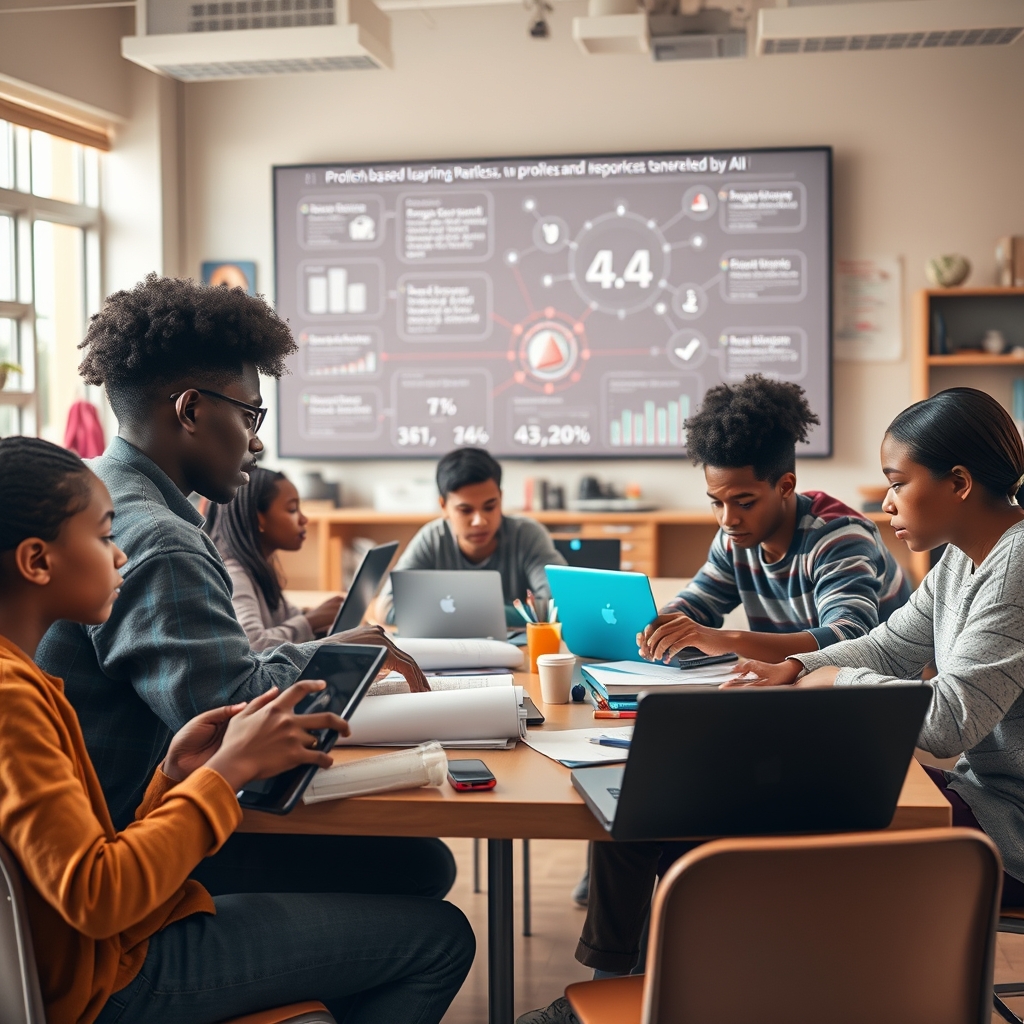
Imagine a classroom where every student’s unique strengths, challenges, and passions are not just acknowledged but actively nurtured—where the learning experience adapts in real time, ensuring no one is left behind. This is not a distant vision of the future but a reality being shaped today by the convergence of artificial intelligence and learning analytics. Together, these technologies are redefining project-based learning, transforming it from a one-size-fits-all approach into a dynamic, equitable, and deeply personalized journey.
The Power of Data in Shaping Learning Pathways
At the heart of this transformation lies learning analytics—a field that harnesses the vast amounts of data generated in digital learning environments to uncover patterns, predict outcomes, and inform instructional decisions. When paired with AI, this data becomes a powerful tool for equity, enabling educators to identify gaps in understanding, tailor interventions, and ensure that every student, regardless of background, has access to the resources they need to thrive.
For instance, AI-driven platforms can analyze a student’s engagement levels, time spent on tasks, and even emotional responses to learning materials. If a student struggles with a particular concept in a project-based assignment, the system can instantly adjust the difficulty, provide targeted resources, or suggest collaborative opportunities with peers who excel in that area. This level of personalization was once the domain of one-on-one tutoring, but AI is democratizing it, making it scalable across diverse classrooms.
Breaking Down Barriers in Project-Based Learning
Project-based learning (PBL) has long been celebrated for its ability to foster critical thinking, collaboration, and real-world problem-solving skills. However, traditional PBL models often struggle with equity—students from under-resourced backgrounds may lack access to the tools, mentorship, or time required to fully engage. AI is changing this narrative by leveling the playing field.
Consider an interdisciplinary project where students design a sustainable community. AI can scaffold the experience by providing adaptive feedback on research, suggesting relevant case studies based on a student’s interests, or even simulating real-world constraints like budget limitations. For students who may not have prior exposure to such challenges, AI acts as an invisible guide, offering just-in-time support without diminishing the authenticity of the experience. Meanwhile, learning analytics track progress, ensuring that educators can intervene when a student veers off course or needs additional encouragement.
The Role of AI in Fostering Inclusive Collaboration
Collaboration is a cornerstone of PBL, but it can also be a source of inequity. Students who are shy, neurodivergent, or from cultures where speaking up is discouraged may struggle to contribute in traditional group settings. AI-powered tools are addressing this by creating more inclusive collaboration spaces. For example, intelligent discussion platforms can analyze group dynamics, ensuring that quieter voices are heard and that dominant personalities don’t overshadow contributions. These tools can also translate real-time feedback into actionable insights, helping students develop empathy and communication skills alongside their peers.
Moreover, AI can facilitate cross-cultural and interdisciplinary collaboration by connecting students from different backgrounds and regions. Imagine a project where students in rural India collaborate with peers in urban Europe to design a water conservation system. AI can bridge language barriers, suggest culturally relevant resources, and even simulate environmental conditions unique to each location, making the project richer and more authentic for everyone involved.
From Insights to Action: The Educator’s New Role
While AI and learning analytics are powerful, they are not replacements for educators—they are tools that amplify human expertise. Teachers are no longer just deliverers of content; they are facilitators of personalized, equitable learning experiences. With AI handling the heavy lifting of data analysis, educators can focus on what they do best: building relationships, fostering creativity, and inspiring curiosity.
For example, an AI system might flag a student who is disengaged during a project. Rather than relying on intuition alone, the teacher can use this insight to initiate a conversation, uncovering whether the student is struggling with the material, facing external challenges, or simply needs a different approach. This shift from reactive to proactive teaching is one of the most profound impacts of AI in education.
The Ethical Imperative: Ensuring AI Serves All Students
As with any technological advancement, the integration of AI and learning analytics in education raises important ethical questions. How do we ensure that these tools are not perpetuating biases? How do we protect student data privacy? And how do we prevent over-reliance on algorithms at the expense of human judgment?
The answers lie in transparency, accountability, and a commitment to equity. AI systems must be trained on diverse datasets to avoid reinforcing existing biases. Schools must adopt robust data privacy policies, ensuring that student information is used ethically and securely. And perhaps most importantly, educators must be equipped with the skills to critically evaluate AI tools, ensuring they align with pedagogical goals and serve the best interests of all students.
As AI continues to evolve, so too will its role in project-based learning. The goal is not to create a fully automated classroom but to design learning environments where technology and humanity coexist harmoniously. In this vision, AI is not the architect of education but a collaborator—one that helps us build a future where every student, regardless of circumstance, has the opportunity to explore, create, and succeed. The classroom of tomorrow is not a place where machines replace teachers but where they work together to unlock the full potential of every learner, one project at a time.



