The AI-Powered Paradigm: How Intelligent Systems and Experiential Learning Are Cultivating Lifelong Curiosity and Educational Equity
Education is no longer confined to the four walls of a classroom or the rigid structure of a traditional curriculum. The fusion of artificial intelligence (AI) and experiential learning is dismantling these boundaries, creating dynamic ecosystems where curiosity thrives and equity becomes an achievable reality. This transformation is not just about integrating technology into education; it’s about reimagining how we learn, who gets to learn, and what learning truly means in the 21st century.
The Shift from Standardization to Personalization
For decades, education systems worldwide have operated under the assumption that one size fits all. Standardized curricula, uniform assessments, and rigid timelines have left little room for individuality, often sidelining students who learn differently or at their own pace. AI is challenging this outdated model by enabling personalized learning pathways that adapt to each student’s strengths, weaknesses, and interests. Intelligent tutoring systems, for instance, analyze a student’s performance in real-time, offering tailored feedback and adjusting the difficulty of tasks to ensure optimal engagement. This level of personalization was once a distant dream but is now becoming a tangible reality in classrooms and online learning platforms alike.
Personalized learning doesn’t just cater to academic needs; it also addresses the emotional and social dimensions of education. AI-driven tools can detect patterns in student behavior, such as disengagement or frustration, and prompt educators to intervene with targeted support. This holistic approach ensures that no student is left behind, whether due to learning disabilities, language barriers, or socio-economic challenges. By prioritizing individual growth over standardized outcomes, AI is helping to level the playing field and foster a more inclusive educational landscape.
Experiential Learning: Bridging the Gap Between Theory and Practice
While AI excels at personalization, experiential learning brings education to life by immersing students in real-world scenarios. This pedagogical approach emphasizes learning through doing, encouraging students to apply theoretical knowledge to practical challenges. Whether through project-based learning, simulations, or internships, experiential learning cultivates critical thinking, problem-solving, and collaboration—skills that are essential for success in an increasingly complex world.
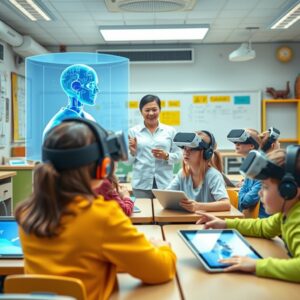
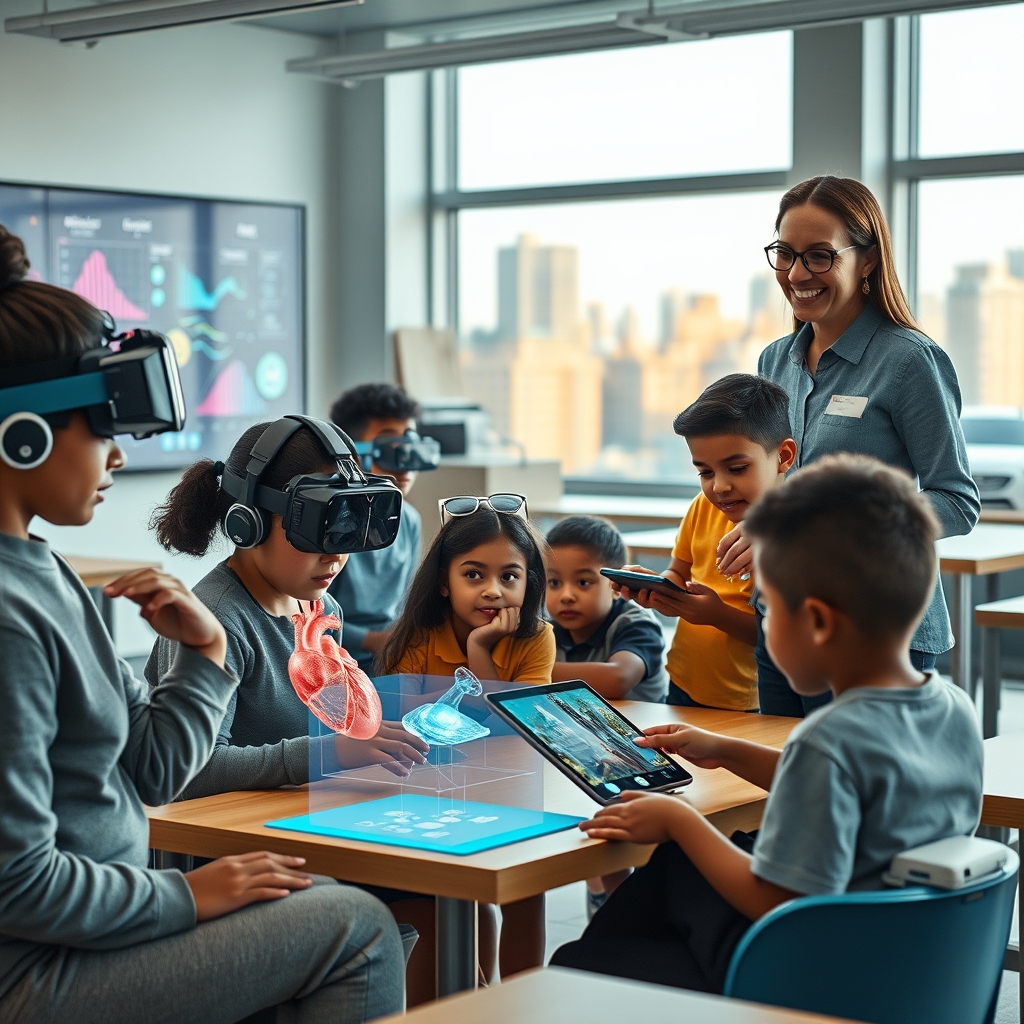
AI amplifies the impact of experiential learning by providing tools that make these experiences more accessible and effective. For example, generative AI can create realistic simulations for medical students to practice surgical procedures or for engineering students to design and test prototypes. Virtual reality (VR) and augmented reality (AR) platforms, powered by AI, can transport students to historical events, distant planets, or microscopic ecosystems, making abstract concepts tangible and engaging. These immersive experiences not only deepen understanding but also spark curiosity and a lifelong love of learning.
The Role of Educators in an AI-Augmented World
As AI takes on a more prominent role in education, the role of educators is evolving from knowledge dispensers to facilitators of learning. Teachers are no longer expected to be the sole source of information but rather guides who help students navigate the vast landscape of knowledge available to them. This shift allows educators to focus on what they do best: inspiring, mentoring, and fostering human connections.
AI can handle the administrative and repetitive tasks that often bog down educators, such as grading, attendance tracking, and data analysis. This automation frees up time for teachers to engage in meaningful interactions with students, design creative lesson plans, and provide the emotional support that AI cannot replicate. Moreover, AI can assist educators in identifying gaps in their teaching methods by analyzing student performance data, enabling them to refine their approaches and better meet the needs of their diverse classrooms.
Democratizing Education Through Digital Transformation
One of the most profound impacts of AI in education is its potential to democratize access to learning. Traditional education systems have long been plagued by inequities, with students from marginalized communities often lacking the resources and opportunities available to their more privileged peers. AI-powered tools are breaking down these barriers by making high-quality education accessible to anyone with an internet connection.
Online degree programs, microlearning platforms, and intelligent tutoring systems are just a few examples of how AI is expanding educational opportunities. These tools allow students to learn at their own pace, on their own schedule, and from anywhere in the world. For instance, a student in a rural area with limited access to advanced courses can now take an AI-powered online course in computer science or participate in a virtual exchange program with students from different countries. This level of accessibility is not just a step forward; it’s a leap toward a more equitable future.
The Ethical Imperative: Ensuring AI Serves All Learners
While the benefits of AI in education are undeniable, its implementation must be guided by ethical considerations to ensure it serves all learners equitably. Bias in AI algorithms, for example, can perpetuate existing inequalities if not carefully monitored and addressed. If an AI system is trained on data that reflects historical biases, it may inadvertently favor certain groups of students over others. To prevent this, developers and educators must work together to create transparent, inclusive, and accountable AI systems.
Another ethical concern is the digital divide—the gap between those who have access to technology and those who do not. While AI has the potential to democratize education, it can also exacerbate inequalities if not deployed thoughtfully. Policymakers, educators, and technology providers must collaborate to ensure that AI-powered tools are accessible to all students, regardless of their socio-economic background. This includes investing in infrastructure, providing affordable devices, and offering digital literacy training to both students and educators.
The Future of Lifelong Learning
The rapid pace of technological advancement means that the skills needed to thrive in the workforce are constantly evolving. Lifelong learning is no longer a luxury but a necessity, and AI is playing a pivotal role in making continuous education accessible and engaging. Microlearning platforms, for example, deliver bite-sized lessons that can be completed in minutes, making it easier for working professionals to upskill or reskill without disrupting their careers. Gamified learning, powered by AI, transforms education into an interactive and enjoyable experience, motivating learners to persist and achieve their goals.
AI-driven learning analytics also enable individuals to track their progress, identify areas for improvement, and set personalized learning goals. This data-driven approach ensures that lifelong learning is not a haphazard endeavor but a structured and rewarding journey. By embracing AI, we can create a culture of continuous learning that empowers individuals to adapt, grow, and succeed in an ever-changing world.
The convergence of AI and experiential learning is not just reshaping education; it’s redefining what it means to be a learner. In this new paradigm, education is no longer a one-time event but a lifelong adventure, where curiosity is nurtured, equity is prioritized, and every individual has the opportunity to reach their full potential. The tools and technologies at our disposal today are not just transforming how we learn—they are transforming who we become.