
The Future of Hybrid Learning: How AI is Crafting Adaptive, Engaging, and Equitable Educational Experiences
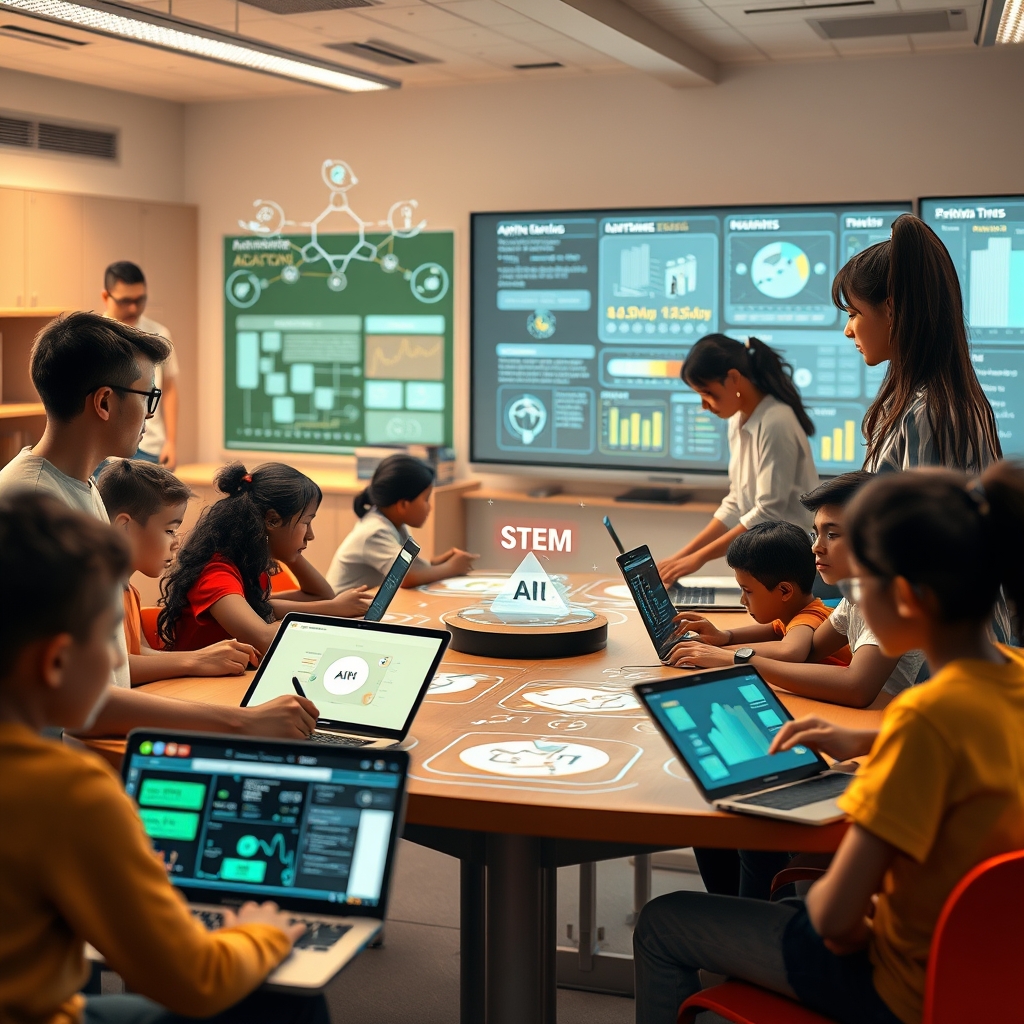
Education is undergoing a profound transformation, driven by the convergence of artificial intelligence and hybrid learning models. As classrooms evolve into dynamic spaces where physical and digital experiences intertwine, AI is emerging as a powerful catalyst for creating adaptive, engaging, and equitable educational environments. This shift is not merely about integrating technology into traditional teaching methods but reimagining how learning happens in a world where flexibility, personalization, and accessibility are paramount.
The Rise of Hybrid Learning in the AI Era
Hybrid learning, which blends in-person instruction with online components, has gained significant traction in recent years. However, its potential is being amplified by AI, which introduces a layer of intelligence that can dynamically adjust to the needs of individual learners. Unlike static online courses, AI-powered hybrid learning systems can analyze student performance in real-time, identifying strengths, weaknesses, and learning preferences. This enables educators to tailor instruction in ways that were previously unimaginable, ensuring that no student is left behind.
For example, AI-driven platforms can generate personalized learning pathways that adapt to a student’s pace and comprehension level. If a learner struggles with a particular concept, the system can provide additional resources, such as interactive simulations, video explanations, or targeted practice exercises. Conversely, if a student masters a topic quickly, the AI can introduce more advanced material or enrichment activities to keep them engaged. This level of adaptability is particularly valuable in hybrid settings, where students may have varying levels of access to in-person support.
Enhancing Engagement Through AI-Powered Tools
One of the biggest challenges in hybrid learning is maintaining student engagement, especially in online environments where distractions are plentiful. AI is addressing this challenge by introducing gamified learning experiences, interactive content, and intelligent tutoring systems that make education more immersive and enjoyable. Gamification, for instance, leverages AI to create adaptive challenges, rewards, and feedback loops that motivate students to stay on track.
Intelligent tutoring systems (ITS) are another game-changer in hybrid learning. These systems use natural language processing and machine learning to simulate one-on-one tutoring, providing instant feedback and guidance. For example, an ITS can help a student solve a math problem by breaking it down into smaller steps, offering hints when needed, and explaining mistakes in real-time. This not only enhances understanding but also builds confidence, particularly for students who may hesitate to ask questions in a traditional classroom setting.
The Role of Learning Analytics in Hybrid Environments
Learning analytics, powered by AI, is transforming how educators understand and support student progress. By collecting and analyzing data from both in-person and online interactions, AI can identify patterns and trends that might otherwise go unnoticed. For instance, learning analytics can reveal which students are at risk of falling behind, allowing educators to intervene early with targeted support. It can also highlight which teaching methods are most effective, enabling continuous improvement in instructional strategies.
In hybrid learning environments, learning analytics can bridge the gap between physical and digital classrooms. For example, an AI system might detect that a student performs better on online quizzes than in-class assignments, suggesting a preference for self-paced learning. Armed with this insight, educators can adjust their approach to better meet the student’s needs, perhaps by incorporating more online activities or providing additional resources for independent study.
Promoting Educational Equity Through AI
One of the most promising aspects of AI in hybrid learning is its potential to promote educational equity. Traditional education systems often struggle to accommodate the diverse needs of students, particularly those from marginalized or underserved communities. AI can help level the playing field by providing personalized support, accessible resources, and inclusive learning experiences.
For example, AI-powered speech-to-text and text-to-speech tools can assist students with disabilities, ensuring they have equal access to educational content. Similarly, AI-driven translation tools can break down language barriers, making learning more accessible to non-native speakers. By automating certain administrative tasks, such as grading and feedback, AI also frees up educators to focus on building relationships with students and addressing their individual needs.
Interdisciplinary Learning in the Hybrid Classroom
Hybrid learning, enhanced by AI, is also fostering interdisciplinary approaches to education. By integrating subjects like science, technology, engineering, and mathematics (STEM) with arts, humanities, and social sciences, educators can create richer, more holistic learning experiences. AI can facilitate this by curating cross-disciplinary content, suggesting connections between topics, and even generating project ideas that encourage students to explore multiple perspectives.
For instance, an AI system might help students design a project that combines environmental science with creative writing, challenging them to write a story from the perspective of an endangered species. This not only deepens their understanding of the subject matter but also cultivates critical thinking, creativity, and empathy. In hybrid classrooms, AI can seamlessly blend online research, virtual collaborations, and in-person discussions to create a truly interdisciplinary learning experience.
The Human Element in AI-Enhanced Hybrid Learning
While AI is revolutionizing hybrid learning, it is essential to remember that technology is a tool, not a replacement for human connection. The most effective hybrid learning environments strike a balance between AI-driven personalization and the irreplaceable role of educators. Teachers bring empathy, creativity, and emotional intelligence to the classroom—qualities that AI cannot replicate. By leveraging AI to handle administrative tasks and provide data-driven insights, educators can focus on what they do best: inspiring, mentoring, and guiding students on their learning journeys.
As we look to the future, the synergy between AI and hybrid learning holds immense promise for creating educational experiences that are adaptive, engaging, and equitable. By embracing these technologies, we can empower students to become lifelong learners, critical thinkers, and problem-solvers prepared to thrive in an ever-changing world. The key lies in harnessing the power of AI to enhance—not replace—the human elements of education, ensuring that every student has the opportunity to reach their full potential.



