
The Alchemy of Adaptive Learning: How AI and Blended Education Are Crafting the Future of Digital Fluency and Equity
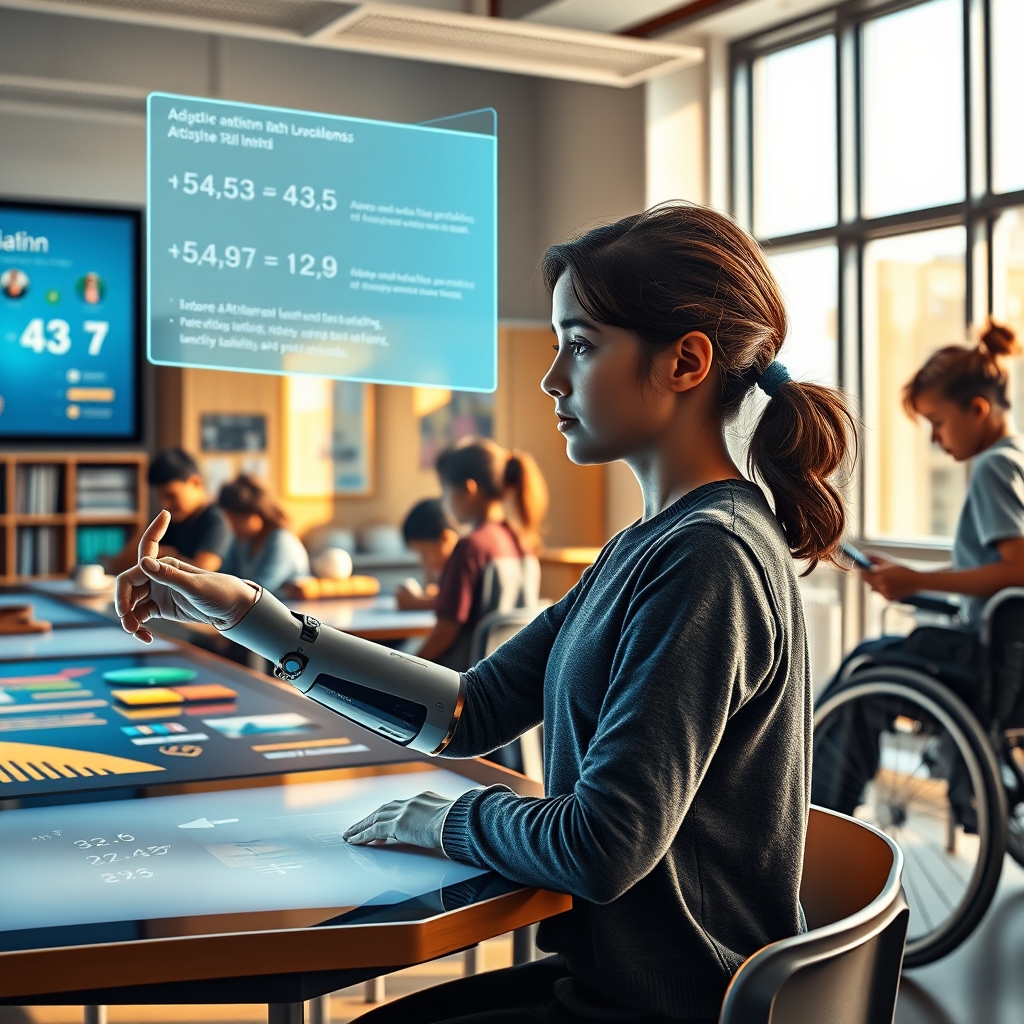
In an era where technology permeates every facet of our lives, education stands at a crossroads. The traditional classroom, once the bastion of knowledge dissemination, is evolving into a dynamic ecosystem where artificial intelligence (AI) and blended learning converge to create adaptive, equitable, and deeply personalized educational experiences. This transformation is not merely about integrating technology into education; it is about reimagining how we teach, learn, and grow in a world where digital fluency is as essential as literacy and numeracy.
The Rise of Adaptive Learning: A Tailored Path for Every Student
Adaptive learning, powered by AI, is revolutionizing the educational landscape by tailoring instruction to the unique needs of each student. Unlike the one-size-fits-all approach of traditional education, adaptive learning systems leverage data and machine learning algorithms to assess a student’s strengths, weaknesses, and learning styles in real time. These systems then adjust the content, pace, and difficulty of lessons to optimize engagement and comprehension. For example, platforms like DreamBox and Knewton use AI to analyze student interactions and provide personalized feedback, ensuring that learners are neither bored by material that is too easy nor overwhelmed by concepts that are too challenging.
The impact of adaptive learning extends beyond academic performance. By fostering a sense of autonomy and self-efficacy, these systems empower students to take ownership of their learning journeys. This is particularly transformative for learners who have historically been underserved by traditional educational models, such as students with disabilities, English language learners, or those from marginalized communities. Adaptive learning does not just level the playing field; it redefines the game entirely, ensuring that every student has the opportunity to thrive.
Blended Learning: The Best of Both Worlds
While AI-driven adaptive learning is a powerful tool, it is not a panacea. The most effective educational experiences often arise from the synergy between technology and human interaction. This is where blended learning comes into play. Blended learning combines traditional face-to-face instruction with online learning, creating a flexible and dynamic educational environment that caters to diverse learning preferences and lifestyles.
In a blended learning model, students might attend in-person classes for collaborative projects, discussions, or hands-on activities, while using online platforms for self-paced learning, assessments, or supplementary resources. This hybrid approach not only accommodates different learning styles but also prepares students for the realities of a digital world where remote work and online collaboration are increasingly the norm. Moreover, blended learning can help bridge the gap between urban and rural education, providing students in remote areas with access to high-quality resources and instruction that might otherwise be unavailable.
The Role of Digital Literacy in an AI-Driven World
As AI and blended learning reshape education, digital literacy has emerged as a critical skill for the 21st century. Digital literacy goes beyond the ability to use technology; it encompasses the capacity to critically evaluate information, navigate digital environments safely and ethically, and leverage technology to solve complex problems. In an age of misinformation and deepfakes, these skills are more important than ever.
Educators play a pivotal role in cultivating digital literacy by integrating it into the curriculum across disciplines. For instance, a history teacher might guide students in evaluating the credibility of online sources, while a science teacher could use simulations and data analysis tools to teach students how to interpret and visualize information. By embedding digital literacy into interdisciplinary learning, educators can help students develop the critical thinking and problem-solving skills needed to navigate an increasingly digital world.
Equity in Education: Closing the Digital Divide
While the potential of AI and blended learning is immense, their benefits are not universally accessible. The digital divide— the gap between those who have access to technology and those who do not— remains a significant barrier to educational equity. Students from low-income families, rural communities, or developing countries often lack access to the devices, internet connectivity, and digital resources needed to participate in AI-driven and blended learning environments. This disparity risks exacerbating existing inequalities and leaving vulnerable populations further behind.
Addressing the digital divide requires a multifaceted approach. Governments, nonprofits, and private sector organizations must collaborate to provide affordable internet access, devices, and digital literacy training to underserved communities. Schools can also play a role by adopting inclusive technologies and designing flexible learning models that accommodate students with varying levels of access. For example, offline-capable learning platforms and mobile-friendly applications can ensure that students without reliable internet access can still engage with educational content.
The Future of Education: A Human-Centric Approach
As we look to the future, it is clear that AI and blended learning will continue to shape the educational landscape. However, the true power of these technologies lies not in their ability to replace human educators but in their potential to augment and enhance the learning experience. The most successful educational models will be those that strike a balance between technological innovation and human connection, leveraging AI to personalize learning while preserving the empathy, creativity, and mentorship that only human teachers can provide.
Imagine a classroom where an AI-powered tutoring system provides real-time feedback on a student’s math problems, while the teacher facilitates a collaborative project that integrates math with art, history, and social studies. In this scenario, technology and human interaction work in tandem to create a rich, interdisciplinary learning experience that prepares students for the complexities of the modern world. This is the promise of AI and blended learning: a future where education is not just about acquiring knowledge but about fostering the skills, mindset, and resilience needed to thrive in an ever-changing landscape.
The journey toward this future is not without challenges. It requires a commitment to equity, a willingness to embrace change, and a recognition that technology is a tool—not a replacement—for human connection. As we navigate this evolving landscape, one thing is certain: the fusion of AI and blended learning has the potential to unlock unprecedented opportunities for students around the globe, ensuring that education remains a powerful force for empowerment, innovation, and social progress. By harnessing the alchemy of adaptive learning, we can craft a future where every student, regardless of background or circumstance, has the chance to develop the digital fluency and critical thinking skills needed to succeed in the 21st century and beyond.



