
The Invisible Thread: How Self-Directed Study in Nature Weaves Lifelong Learners
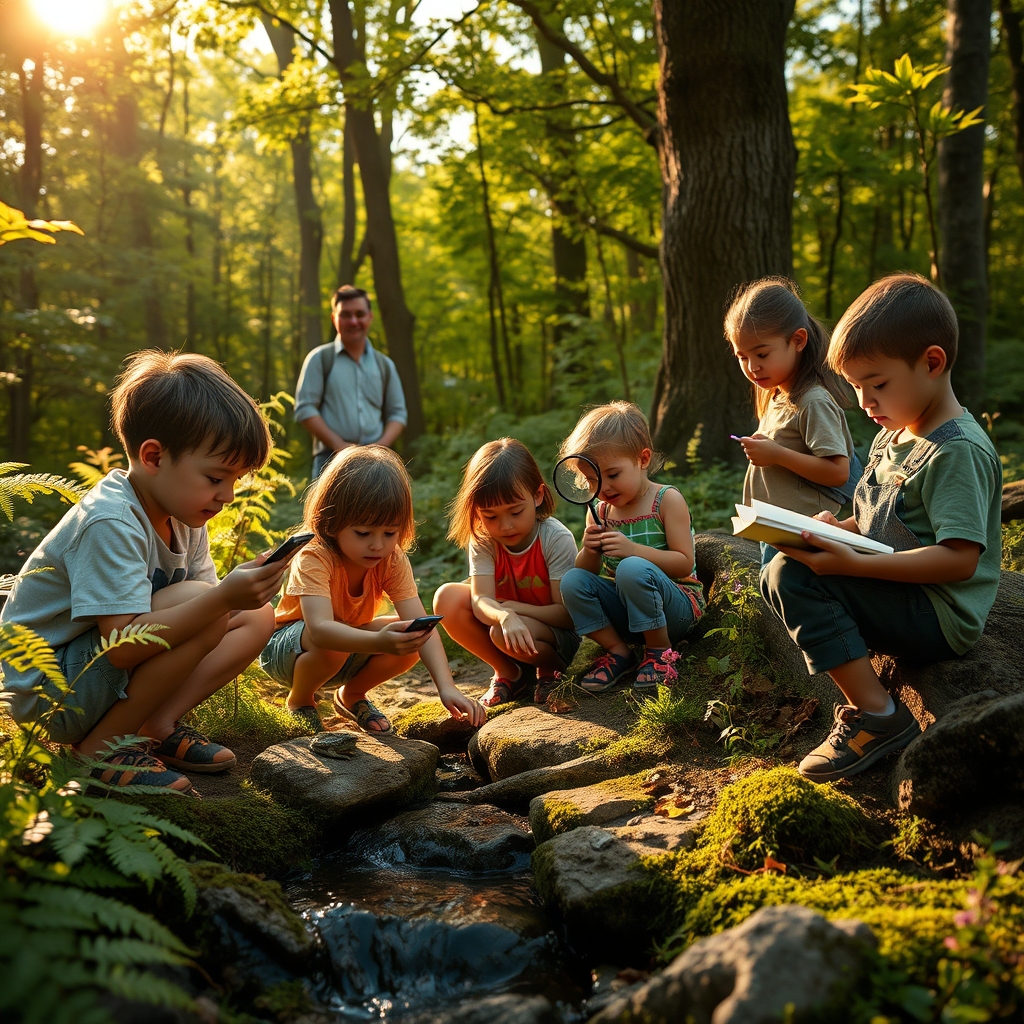
There is a quiet revolution unfolding in the spaces where education and the natural world intersect. It is not marked by rigid lesson plans or standardized tests, but by the rustling of leaves, the curiosity of a child crouched beside a stream, and the slow, deliberate process of discovery that happens when learners are given the freedom to explore on their own terms. This is the essence of self-directed study in nature—a practice that transforms the outdoors into both classroom and teacher, fostering not just knowledge, but a deep, enduring relationship with the world.
The Philosophy of Self-Directed Learning
At its core, self-directed learning is an approach that places the learner at the center of their educational journey. Unlike traditional models where instruction is dictated by a curriculum, self-directed study empowers individuals to identify their own questions, pursue their interests, and construct meaning through direct experience. When this philosophy is applied in nature, it becomes a powerful catalyst for growth. The natural world, with its infinite complexity and beauty, offers an endless well of inquiry. A child fascinated by birds may spend weeks observing nests, listening to calls, and sketching feathers. Another might become engrossed in the life cycle of a pond, tracking the metamorphosis of tadpoles or the delicate balance of its ecosystem. These pursuits are not assigned; they are chosen, and that choice is the first step toward ownership of one’s learning.
The Role of the Educator: Guide, Not Gatekeeper
In self-directed outdoor education, the role of the educator shifts dramatically. No longer the sole source of knowledge, they become facilitators, mentors, and co-learners. Their task is to create a safe, stimulating environment where exploration can flourish, to ask open-ended questions that provoke deeper thinking, and to provide resources—whether a field guide, a magnifying glass, or a well-timed suggestion—that help learners navigate their inquiries. This approach requires a delicate balance: offering enough structure to prevent overwhelm, while leaving ample space for serendipity. A skilled educator knows when to step back and let a child struggle with a problem, and when to step in with a gentle nudge or a tool that might unlock a new perspective.
Nature as the Ultimate Teacher
The natural world is a masterful educator, teaching lessons that no textbook can convey. It operates on its own timeline, rewarding patience and observation with moments of profound insight. A child who spends hours watching ants carry food back to their colony is not just learning about insect behavior; they are developing focus, perseverance, and an appreciation for the intricate systems that sustain life. Similarly, a group of learners who decide to build a shelter from fallen branches are engaging in problem-solving, collaboration, and hands-on engineering—all while deepening their connection to the materials and processes of the environment.
The Lessons Beyond the Obvious
Self-directed study in nature also cultivates skills that extend far beyond academic knowledge. Resilience, for example, is forged when a learner faces a challenge—perhaps a failed attempt to identify a plant or a sudden rainstorm that disrupts their plans—and must adapt. Creativity flourishes when children are encouraged to express their understanding through art, storytelling, or imaginative play. Even emotional intelligence is nurtured, as learners navigate the highs of discovery and the lows of frustration, all while developing a sense of agency over their own learning journey. These are the invisible threads that weave together to form a lifelong learner: someone who is curious, capable, and confident in their ability to engage with the world.
The Ripple Effects of Self-Directed Outdoor Learning
The impact of self-directed study in nature extends beyond the individual. When learners are given the freedom to explore their interests, they often bring their discoveries back to their communities, sparking conversations and inspiring others. A child who becomes passionate about local wildlife might organize a citizen science project, inviting neighbors to document species in their backyards. Another might share their knowledge of edible plants with a community garden, blending self-directed learning with service and environmental stewardship. These ripple effects demonstrate how education, when rooted in personal passion and real-world context, can become a force for connection and change.
Challenges and Considerations
Of course, self-directed outdoor learning is not without its challenges. It requires a shift in mindset for educators, parents, and learners alike, particularly in a culture that often equates education with measurable outcomes. There is also the practical matter of access: not all children have easy entry to natural spaces, and systemic barriers can limit opportunities for outdoor exploration. Addressing these challenges means advocating for equitable access to nature, rethinking how we measure learning, and creating supportive environments where self-directed study can thrive. It also means embracing the messiness of the process—the uncertainty, the detours, and the moments of failure that are all part of the journey toward deeper understanding.
In the end, self-directed study in nature is not just about what children learn, but how they learn to learn. It is about nurturing a mindset that values curiosity over compliance, process over product, and connection over isolation. When we trust learners to chart their own paths, we give them something far more valuable than a set of facts: we give them the tools to navigate a world that is constantly changing, and the confidence to believe that their questions matter. The natural world, with its endless mysteries and quiet wisdom, is waiting to teach them—if only we let it.



