
The Future of Learning: How Language Classes and Continuing Education Are Shaping Lifelong Success
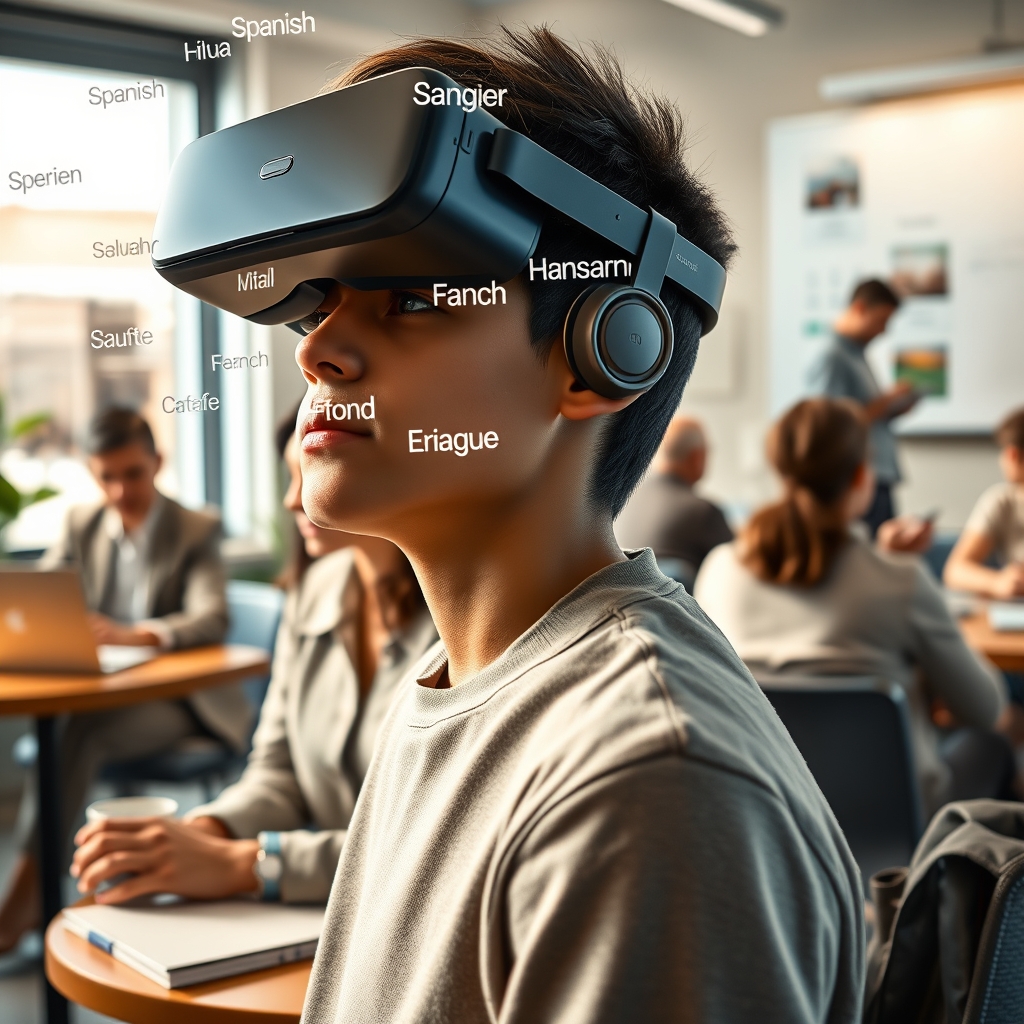
In an era where the boundaries of traditional education are constantly expanding, language classes and continuing education have emerged as powerful tools for personal and professional growth. These programs offer more than just academic enrichment—they provide individuals with the skills and adaptability needed to thrive in an increasingly interconnected world. Whether through structured courses, immersive experiences, or flexible online platforms, the opportunities for learning have never been more accessible or diverse.
The Transformative Power of Language Classes
Language acquisition is no longer confined to the walls of a classroom or the pages of a textbook. Today, language classes leverage innovative methodologies, from gamified apps to virtual reality simulations, to make learning engaging and effective. For students, mastering a second or third language opens doors to global opportunities, enhances cognitive abilities, and fosters cultural empathy. For professionals, multilingualism is a competitive advantage, enabling better communication in international markets and expanding career prospects.
Beyond the practical benefits, language classes also serve as a bridge between communities. They break down barriers, foster inclusivity, and create spaces where diverse voices can be heard. Schools and institutions that integrate language programs into their curricula are not just teaching vocabulary and grammar—they are nurturing global citizens who can navigate and contribute to an interconnected world.
Continuing Education: A Lifelong Commitment to Growth
The concept of education as a finite journey—one that ends with a diploma or degree—is rapidly becoming obsolete. Continuing education has redefined learning as a lifelong pursuit, offering adults the chance to upskill, reskill, or simply explore new passions. From certificate programs to online courses, these opportunities cater to a wide range of interests and career goals, ensuring that individuals remain competitive in an ever-evolving job market.
One of the most significant advantages of continuing education is its flexibility. Digital learning platforms have democratized access to knowledge, allowing learners to study at their own pace, on their own terms. Whether it’s a working professional seeking to advance in their field or a retiree exploring a new hobby, these programs provide the tools and resources needed to achieve personal and professional fulfillment. Moreover, continuing education fosters a culture of curiosity and adaptability, qualities that are essential in a world where change is the only constant.
Blending Tradition with Innovation: The Role of Technology
The integration of technology into language classes and continuing education has revolutionized the way we learn. Digital learning platforms, such as Duolingo, Coursera, and Rosetta Stone, have made education more interactive, personalized, and accessible. These platforms use artificial intelligence to tailor lessons to individual learning styles, ensuring that each student receives the support they need to succeed. For language learners, features like speech recognition and real-time feedback help refine pronunciation and fluency, while for continuing education, adaptive learning paths ensure that courses remain relevant and engaging.
Beyond online platforms, technology has also enabled the creation of hybrid learning models, where in-person instruction is complemented by digital resources. This blend of traditional and modern approaches caters to different learning preferences, making education more inclusive and effective. For example, a student attending a language class might practice conversational skills in person while using an app to reinforce vocabulary and grammar at home. Similarly, a professional enrolled in a continuing education course might attend live webinars while accessing supplementary materials online.
The Social Impact of Lifelong Learning
The benefits of language classes and continuing education extend far beyond the individual. Communities that prioritize lifelong learning experience higher levels of economic growth, social cohesion, and innovation. Language programs, in particular, play a crucial role in fostering diversity and inclusion, as they enable individuals from different backgrounds to communicate and collaborate effectively. Meanwhile, continuing education empowers adults to adapt to technological advancements, fill skill gaps, and contribute meaningfully to the workforce.
Educational institutions and policymakers are increasingly recognizing the importance of these programs. Many schools now offer dual enrollment options, allowing high school students to earn college credits while still in school. Similarly, employers are investing in upskilling initiatives, providing employees with the training they need to stay ahead in their careers. These efforts not only benefit individuals but also strengthen the broader economy by creating a more skilled and adaptable workforce.
Overcoming Barriers to Access
Despite the clear advantages of language classes and continuing education, access to these opportunities remains uneven. Financial constraints, geographic limitations, and time commitments can all pose significant barriers to participation. However, innovative solutions are emerging to address these challenges. Scholarships, sliding-scale tuition, and employer-sponsored programs are making education more affordable, while online platforms are eliminating geographic barriers by bringing learning to anyone with an internet connection.
Time management is another common hurdle, particularly for working adults. To address this, many programs now offer flexible scheduling, self-paced courses, and micro-credentials that allow learners to acquire skills in bite-sized chunks. These adaptations ensure that education remains accessible to everyone, regardless of their circumstances. Additionally, peer tutoring and mentorship programs can provide the support and encouragement needed to stay motivated and on track.
As the world continues to evolve, so too must our approach to education. Language classes and continuing education are not just supplementary tools—they are essential components of a lifelong learning journey. By embracing these opportunities, individuals can unlock their full potential, adapt to new challenges, and contribute to a more inclusive and dynamic society. The future of learning is here, and it is more exciting and accessible than ever before. Whether through mastering a new language or pursuing a passion project, the pursuit of knowledge is a journey that never truly ends, but only grows richer with each step.



