
The Next Frontier: How AI and Gamified Learning Are Redefining Engagement in Education
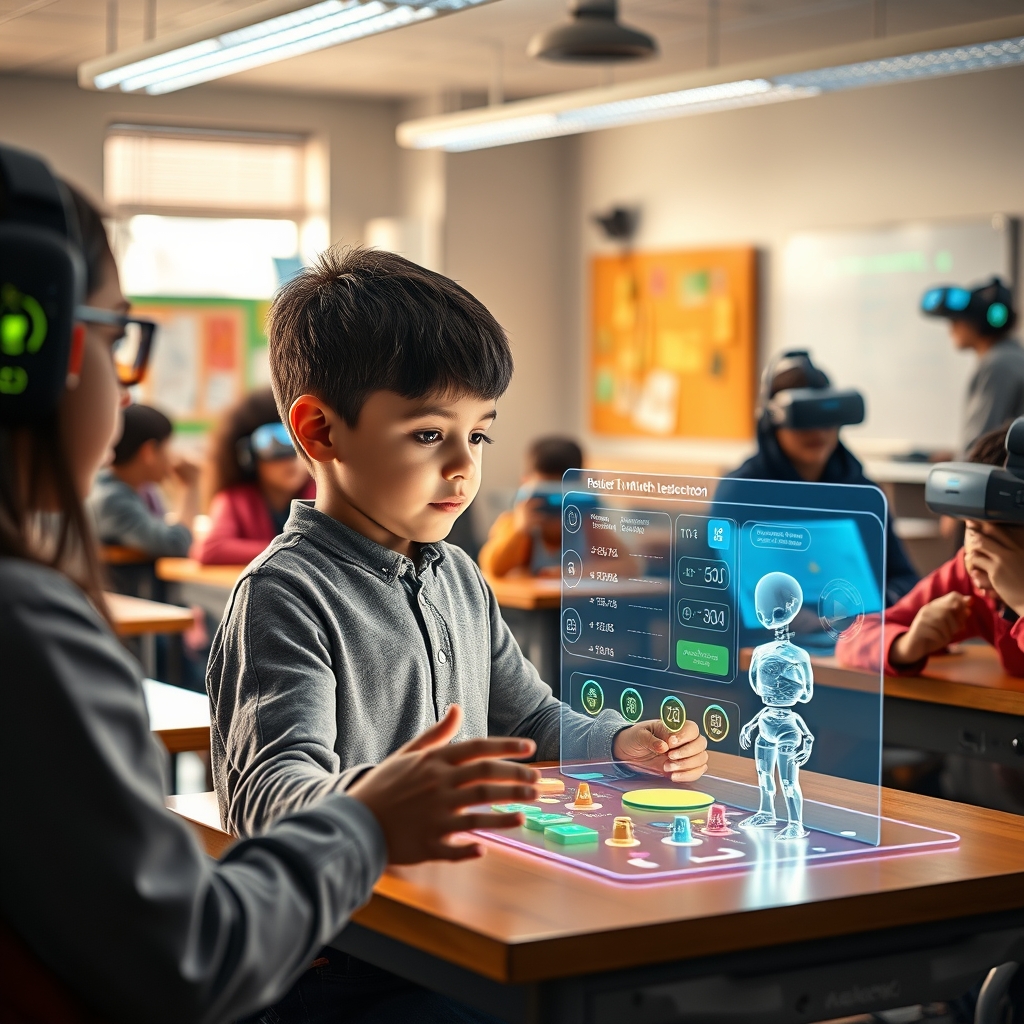
Education is undergoing a seismic shift, driven by the fusion of artificial intelligence and gamification. No longer confined to traditional classrooms or static textbooks, learning is becoming an interactive, dynamic experience that adapts to the needs of each student. At the heart of this transformation is the principle of engagement—how to captivate learners in ways that are not only effective but also deeply motivating. AI and gamified learning are emerging as the twin pillars of this new era, offering unprecedented opportunities to make education more immersive, inclusive, and impactful.
The Power of Play in Learning
Gamification—the integration of game-like elements such as points, badges, leaderboards, and challenges into non-game contexts—has long been recognized as a powerful tool for engagement. However, its potential in education has only recently begun to be fully realized. When combined with AI, gamified learning transcends mere entertainment, becoming a sophisticated system that personalizes the learning journey for each student. AI algorithms analyze performance in real-time, adjusting difficulty levels, providing instant feedback, and even tailoring narratives to keep learners motivated and on track.
For example, platforms like Duolingo and Khan Academy have successfully incorporated gamification to make learning languages or mastering math concepts feel like an adventure rather than a chore. These platforms use AI to identify areas where a student struggles and then adapt the content to reinforce those concepts through interactive exercises, rewards, and progress tracking. The result is a learning experience that feels less like work and more like play, yet is highly effective in achieving educational outcomes.
AI as the Engine of Personalization
One of the most significant advantages of AI in education is its ability to personalize learning at scale. Traditional classrooms often struggle to address the diverse needs of students, with teachers stretched thin trying to cater to varying skill levels, learning styles, and paces. AI-powered gamified learning platforms, however, can create individualized pathways that ensure no student is left behind or held back by the pace of the class.
Intelligent tutoring systems, such as Carnegie Learning’s MATHia or ScribeSense, use AI to simulate one-on-one tutoring. These systems provide immediate feedback, adapt to a student’s strengths and weaknesses, and even offer hints or explanations when a learner is stuck. By gamifying the experience—through rewards, progress bars, or virtual achievements—these platforms make the learning process more engaging and less intimidating. Students are no longer passive recipients of information but active participants in their educational journey.
Breaking Down Barriers with Inclusive Design
Gamified learning, when powered by AI, also has the potential to make education more inclusive. Students with disabilities, learning differences, or those from underrepresented backgrounds often face barriers in traditional educational settings. AI can help level the playing field by providing alternative ways to engage with content. For instance, text-to-speech features, visual aids, or interactive simulations can make learning more accessible to students with dyslexia, autism, or other challenges.
Moreover, gamification can foster a sense of belonging and motivation among students who might otherwise feel disengaged. Leaderboards, team challenges, and collaborative quests can create a community-driven learning environment where students support and learn from one another. AI can further enhance this by ensuring that the challenges are equitable, adjusting difficulty levels or providing additional resources to students who need them.
The Role of Data in Shaping the Future of Learning
Behind the scenes, AI-driven gamified learning platforms generate vast amounts of data on student performance, engagement, and behavior. This data is a goldmine for educators, offering insights into how students learn best and where they might be struggling. Learning analytics can identify patterns, such as which types of gamified elements are most effective for different age groups or subjects, or which students are at risk of falling behind.
For educators, this data can inform instructional strategies, allowing them to intervene early and provide targeted support. For students, it can offer a transparent view of their progress, helping them set goals and take ownership of their learning. The combination of AI and gamification thus creates a feedback loop where data drives continuous improvement, making education a more responsive and adaptive process.
Beyond the Classroom: Lifelong Learning and Skill Development
The impact of AI and gamified learning extends far beyond K-12 or higher education. In an era where skills quickly become outdated, lifelong learning has become a necessity. Gamification makes the process of upskilling or reskilling more engaging and less daunting. Platforms like Coursera, Udemy, and LinkedIn Learning have already begun incorporating gamified elements to motivate learners to complete courses and acquire new skills.
AI takes this a step further by curating personalized learning paths based on a learner’s career goals, interests, and existing knowledge. For example, a professional looking to transition into a tech role might be guided through a series of gamified modules that build coding skills, with AI adjusting the difficulty and providing real-time feedback. The result is a more efficient and enjoyable learning experience that prepares individuals for the demands of the modern workforce.
Challenges and Considerations
While the potential of AI and gamified learning is immense, it is not without challenges. One of the primary concerns is the risk of over-reliance on technology, which could lead to a depersonalized learning experience. Education is, at its core, a human endeavor, and the role of teachers, mentors, and peers remains irreplaceable. AI and gamification should be viewed as tools that enhance, rather than replace, human interaction in education.
Another consideration is the ethical use of data. AI-driven platforms collect vast amounts of information on students, raising questions about privacy, security, and the potential for misuse. Educators and developers must prioritize transparency, ensuring that students and parents understand how data is being used and that robust safeguards are in place to protect sensitive information.
Finally, there is the challenge of ensuring equitable access to these technologies. While AI and gamified learning have the potential to democratize education, they also risk exacerbating existing inequalities if not implemented thoughtfully. Schools and institutions must work to bridge the digital divide, ensuring that all students, regardless of socioeconomic background, have access to the tools and resources they need to succeed.
As we stand on the brink of this new frontier, it is clear that AI and gamified learning are not just passing trends but fundamental shifts in how we approach education. By making learning more engaging, personalized, and inclusive, these technologies have the power to transform education from a one-size-fits-all model into a dynamic, adaptive experience that meets the needs of every learner. The future of education is not just about what we learn, but how we learn—and with AI and gamification, the possibilities are limitless. The key lies in harnessing these tools responsibly, ensuring that they serve as catalysts for equity, engagement, and lifelong growth.



