
Beyond the Classroom: How Experiential Learning Shapes Lifelong Curiosity and Resilience
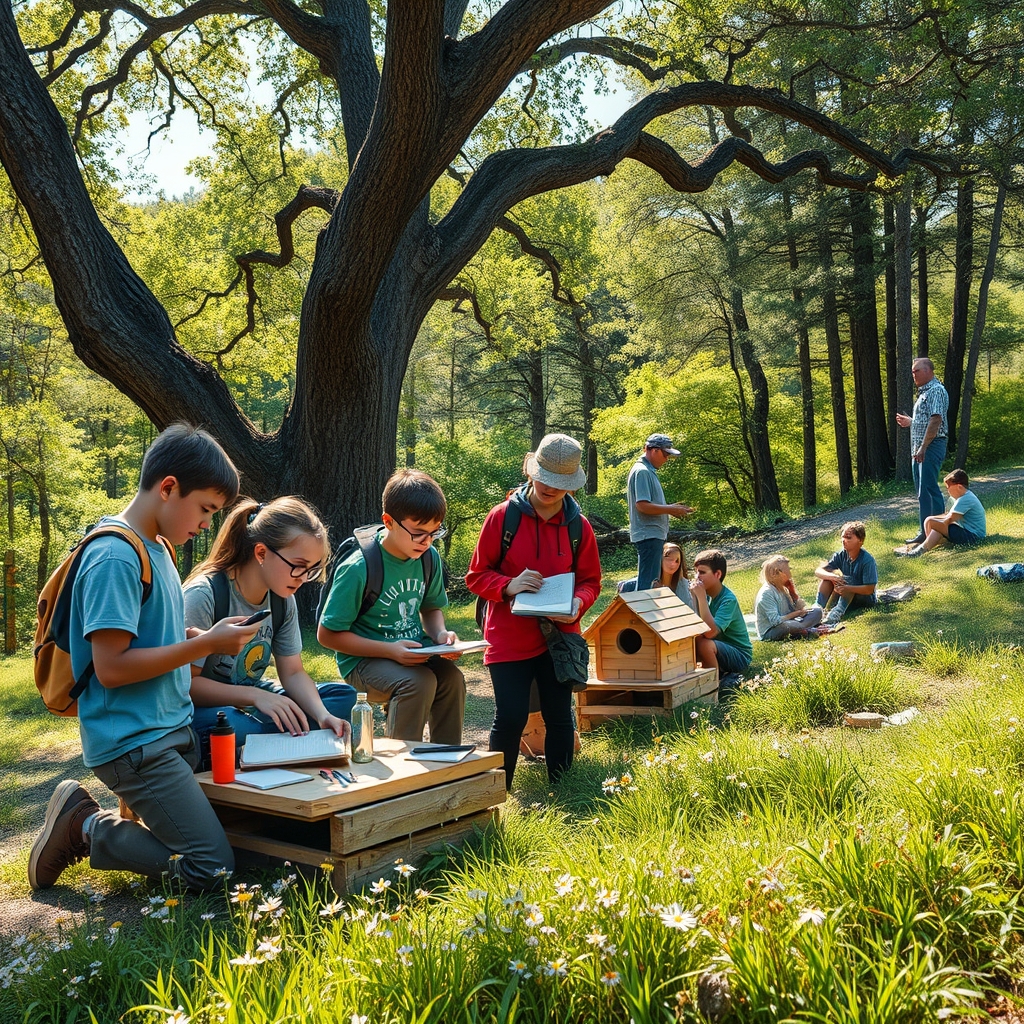
In a world where standardized tests and rigid curricula often dominate education, a quiet revolution is taking root—one that prioritizes hands-on experiences, real-world exploration, and the kind of learning that sticks long after the lesson ends. Experiential learning, with its many forms like outdoor education, project-based learning, and community-based inquiry, is reshaping how we think about knowledge acquisition. It’s not just about memorizing facts; it’s about engaging with the world in ways that foster curiosity, resilience, and a deeper connection to the environment and community.
The Philosophy Behind Experiential Learning
At its core, experiential learning is grounded in the idea that people learn best by doing. This philosophy traces back to educational theorists like John Dewey, who argued that education should be a dynamic, interactive process rather than a passive absorption of information. Dewey believed that learning is most effective when it is tied to real-life experiences, where students can test ideas, make mistakes, and reflect on their outcomes. This approach contrasts sharply with traditional classroom settings, where students are often confined to desks, absorbing information in isolation from the world they inhabit.
Today, this philosophy manifests in various educational models, from forest schools in Scandinavia to citizen science projects in urban neighborhoods. Each of these models shares a common thread: they prioritize active participation, critical thinking, and the application of knowledge in authentic contexts. Whether it’s a group of students designing a community garden or a team of researchers collecting data on local wildlife, experiential learning blurs the line between education and real life, making the process of discovery as valuable as the knowledge gained.
The Benefits of Learning Outside the Classroom
The advantages of experiential learning extend far beyond academic achievement. Research has shown that students who engage in hands-on, real-world learning experiences develop stronger problem-solving skills, greater emotional resilience, and a heightened sense of empathy. For example, outdoor education programs, such as wilderness expeditions or forest schools, have been linked to improved mental health, increased self-confidence, and a deeper appreciation for nature. These programs often require students to navigate challenges, work collaboratively, and adapt to unpredictable environments—skills that are invaluable in both personal and professional life.
Similarly, project-based learning (PBL) allows students to tackle complex, open-ended problems that mirror real-world scenarios. Unlike traditional assignments, PBL encourages students to take ownership of their learning, often working in teams to research, design, and implement solutions. This approach not only deepens subject-matter understanding but also cultivates essential soft skills like communication, creativity, and perseverance. When students see the tangible impact of their work—whether it’s a prototype they’ve built or a community issue they’ve addressed—they develop a sense of agency and purpose that transcends the classroom.
Place-Based Education: Rooting Learning in Community
One of the most compelling forms of experiential learning is place-based education, which anchors learning in the local environment and culture. This approach recognizes that every community has unique resources, histories, and challenges that can serve as powerful teaching tools. For instance, a science class might study water quality by testing samples from a nearby river, while a history lesson could explore the stories of local landmarks or oral traditions passed down through generations. By connecting learning to the places students know and care about, place-based education makes education more relevant, engaging, and meaningful.
Service learning takes this idea a step further by combining community service with academic instruction. Students might partner with local organizations to address issues like food insecurity, environmental conservation, or public health. These experiences not only deepen students’ understanding of social and environmental issues but also foster a sense of civic responsibility. When students see how their actions can make a difference, they are more likely to develop a lifelong commitment to community engagement and social justice.
Adventure and Self-Directed Learning: Embracing the Unknown
For some learners, the most transformative experiences happen outside structured programs altogether. Adventure education, which includes activities like backpacking, rock climbing, or micro-camping, pushes students out of their comfort zones and into environments where they must rely on their wits, teamwork, and adaptability. These experiences teach resilience in the face of adversity, as students learn to navigate physical and emotional challenges in real time. The lessons learned in the wilderness—persistence, humility, and the value of collaboration—often translate into other areas of life, from academic pursuits to personal relationships.
Self-directed study, another form of experiential learning, empowers students to take control of their own education. Whether through independent research, internships, or passion projects, this approach allows learners to explore topics that genuinely interest them, often leading to deeper engagement and more meaningful outcomes. When students are given the freedom to chart their own learning paths, they develop a sense of autonomy and intrinsic motivation that can carry them through a lifetime of discovery.
Overcoming Challenges in Experiential Learning
Despite its many benefits, experiential learning is not without its challenges. One of the most significant barriers is the logistical complexity of organizing real-world learning experiences. Outdoor education programs, for example, require careful planning, safety protocols, and often additional funding for equipment and transportation. Similarly, project-based learning demands significant time and resources, as teachers must design meaningful projects, provide ongoing support, and assess student progress in ways that go beyond traditional tests.
Another challenge is the resistance to change within educational systems that are deeply entrenched in traditional methods. Many schools and educators are hesitant to adopt experiential learning models due to concerns about accountability, standardized testing, or simply the fear of the unknown. However, as more research highlights the long-term benefits of hands-on learning, there is growing momentum to integrate these approaches into mainstream education. Schools that have embraced experiential learning often report higher student engagement, improved academic outcomes, and a more positive school culture.
Citizen Science and Cooperative Learning: Bridging Gaps
One way to make experiential learning more accessible is through citizen science projects, which invite students and community members to contribute to real scientific research. These projects, which range from monitoring local biodiversity to tracking climate change, provide hands-on learning opportunities while also advancing scientific knowledge. By participating in citizen science, students not only gain a deeper understanding of scientific concepts but also develop a sense of connection to the broader world and their role in it.
Cooperative learning, another key component of experiential education, emphasizes collaboration over competition. In cooperative learning environments, students work together in small groups to achieve shared goals, fostering a sense of community and mutual support. This approach not only enhances learning outcomes but also prepares students for the collaborative nature of modern workplaces and civic life. When students learn to value diverse perspectives and work together toward common objectives, they develop skills that are essential for success in an increasingly interconnected world.
The shift toward experiential learning is more than just a trend—it’s a return to the fundamental idea that education should be a living, breathing process, one that engages the mind, body, and spirit. Whether through outdoor adventures, community projects, or self-directed exploration, these approaches remind us that the most powerful learning happens when we step outside the confines of the classroom and into the world. As educators, parents, and learners, we have the opportunity to embrace these methods, not just as supplements to traditional education, but as essential pathways to curiosity, resilience, and lifelong growth. The world is the ultimate classroom, and the lessons it offers are waiting to be discovered by those willing to step outside and explore.



