
The Uncharted Path: How AI and Personalized Learning Are Redefining Educational Frontiers for the 21st-Century Learner
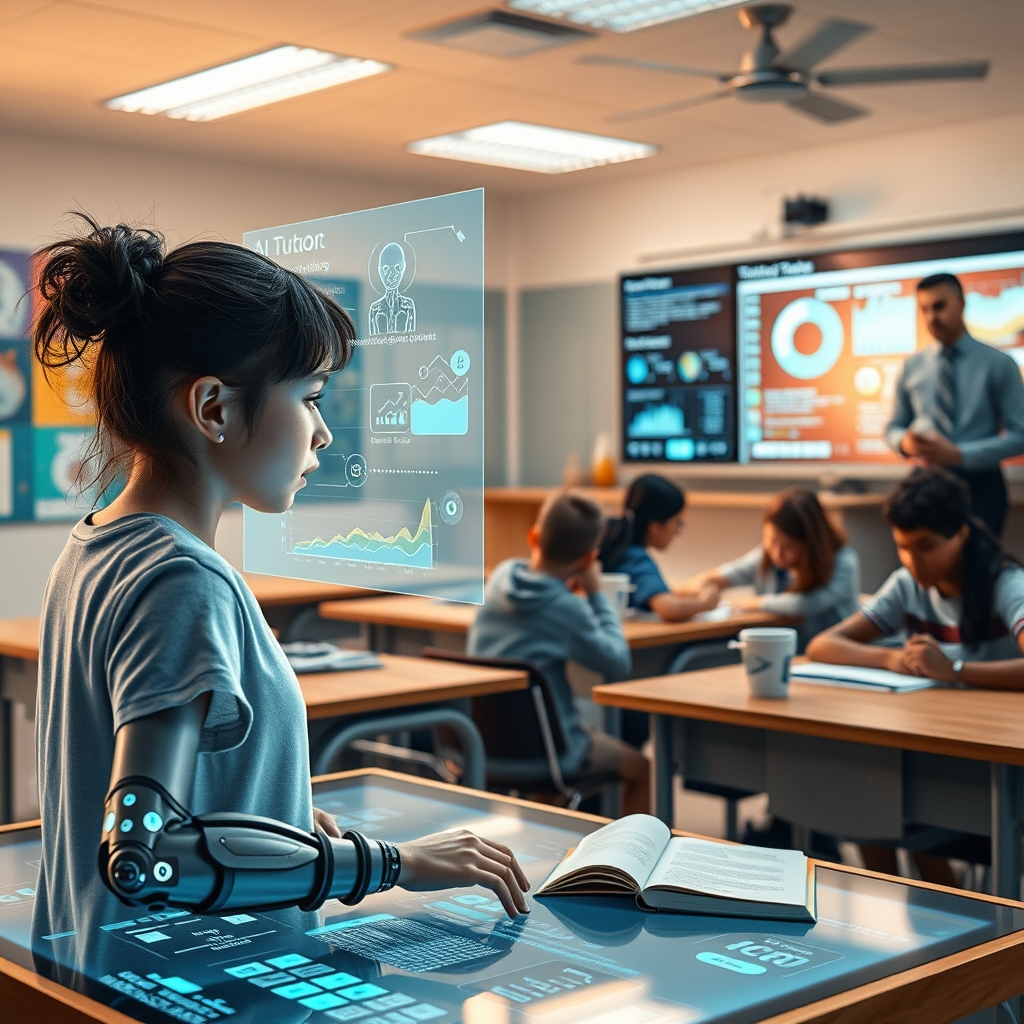
Education is no longer confined to the four walls of a classroom or the rigid structures of a one-size-fits-all curriculum. The digital age has ushered in a transformative era where artificial intelligence (AI) and personalized learning are dismantling traditional barriers, creating dynamic, adaptive, and inclusive educational experiences. This shift is not just about integrating technology into classrooms; it’s about reimagining how knowledge is acquired, processed, and applied in a world that demands agility, creativity, and lifelong curiosity.
The Rise of Personalized Learning in the AI Era
Personalized learning has long been the holy grail of education—a system where instruction is tailored to the unique needs, strengths, and interests of each student. However, achieving this at scale has historically been a daunting challenge. Enter AI, the game-changer that is making personalized learning not just possible but scalable. Through intelligent algorithms, AI analyzes vast amounts of data on student performance, learning styles, and engagement levels to create customized learning pathways. These pathways adapt in real-time, ensuring that students receive the right level of challenge and support at every step of their educational journey.
For instance, platforms like Khan Academy and Duolingo leverage AI to adjust the difficulty of exercises based on user performance, providing instant feedback and targeted practice. This level of personalization ensures that students are neither bored by material that is too easy nor overwhelmed by content that is too difficult. The result? A more engaging, effective, and equitable learning experience that meets students where they are.
The Role of Learning Analytics in Shaping Educational Outcomes
At the heart of AI-driven personalized learning lies learning analytics—a field that harnesses data to improve educational outcomes. By tracking metrics such as time spent on tasks, error rates, and patterns of engagement, AI systems can identify trends and predict future performance. Educators can use these insights to intervene early when a student is struggling, tailor instruction to address specific gaps, or even redesign curricula to better align with student needs.
For example, universities and K-12 schools are increasingly adopting AI-powered dashboards that provide teachers with real-time data on student progress. These tools not only highlight areas where students excel but also flag potential challenges before they become roadblocks. The impact is profound: students receive the support they need precisely when they need it, fostering a culture of continuous improvement and reducing dropout rates.
Blended Learning: The Best of Both Worlds
While AI is revolutionizing personalized learning, it is also enhancing blended learning—a hybrid approach that combines traditional face-to-face instruction with online educational materials. Blended learning models leverage AI to create flexible, student-centered environments where learners can progress at their own pace while still benefiting from the social and collaborative aspects of in-person education.
Consider the flipped classroom model, where students engage with digital content at home and use classroom time for interactive, hands-on activities. AI can curate and recommend resources tailored to each student’s learning objectives, ensuring that the digital content they consume is relevant and engaging. In the classroom, teachers can use AI-driven insights to facilitate discussions, group projects, and experiential learning activities that deepen understanding and foster critical thinking.
Digital Literacy: The Foundation of 21st-Century Education
As AI and digital tools become integral to education, digital literacy has emerged as a critical skill for students and educators alike. Digital literacy goes beyond the ability to use technology; it encompasses the capacity to evaluate information critically, navigate digital environments safely, and leverage technology to solve real-world problems. AI plays a pivotal role in developing these skills by providing interactive, immersive learning experiences that engage students in authentic tasks.
For example, AI-powered simulations and virtual labs allow students to conduct experiments, explore historical events, or even practice coding in a risk-free environment. These tools not only enhance digital literacy but also foster interdisciplinary learning by connecting concepts across subjects. Moreover, AI-driven platforms can teach students how to discern credible sources from misinformation, a skill that is increasingly vital in an era of information overload.
Inclusive Education: Bridging Gaps with AI
One of the most promising aspects of AI in education is its potential to promote inclusivity and equity. Traditional educational systems often struggle to accommodate the diverse needs of students, particularly those with disabilities, language barriers, or socio-economic challenges. AI is changing this by providing tools that adapt to individual needs and remove barriers to learning.
For instance, AI-powered speech-to-text and text-to-speech tools enable students with dyslexia or visual impairments to access content more easily. Language translation tools break down barriers for non-native speakers, while AI-driven tutoring systems provide one-on-one support to students who may not have access to human tutors. By leveling the playing field, AI is helping to create a more equitable educational landscape where every student has the opportunity to succeed.
The Future of Lifelong Learning
The concept of education as a finite phase of life is rapidly becoming obsolete. In today’s fast-paced, ever-changing world, lifelong learning is not just a luxury but a necessity. AI is at the forefront of this shift, enabling continuous education through microlearning, gamified platforms, and intelligent tutoring systems. These tools make learning accessible, engaging, and adaptable to the needs of professionals, hobbyists, and learners of all ages.
Microlearning, for example, breaks down complex topics into bite-sized, easily digestible modules that can be completed in minutes. AI curates these modules based on the learner’s goals, preferences, and progress, ensuring that the content remains relevant and engaging. Gamified learning platforms, on the other hand, use AI to create immersive, interactive experiences that motivate learners through rewards, challenges, and social competition. Together, these approaches are democratizing education, making it possible for anyone, anywhere, to acquire new skills and knowledge throughout their lives.
As we stand on the brink of this educational revolution, it’s clear that AI is not just a tool but a catalyst for change. By personalizing learning, enhancing digital literacy, and promoting inclusivity, AI is reshaping the educational landscape in ways that were once unimaginable. The future of education is not about replacing teachers or traditional classrooms but about augmenting them with intelligent systems that empower learners to reach their full potential. In this new era, education is no longer a one-way transmission of knowledge but a dynamic, collaborative journey where every student has the opportunity to thrive, grow, and succeed.



