
The Invisible Guide: How AI and Gamified Learning Are Crafting the Future of Inclusive and Experiential Education
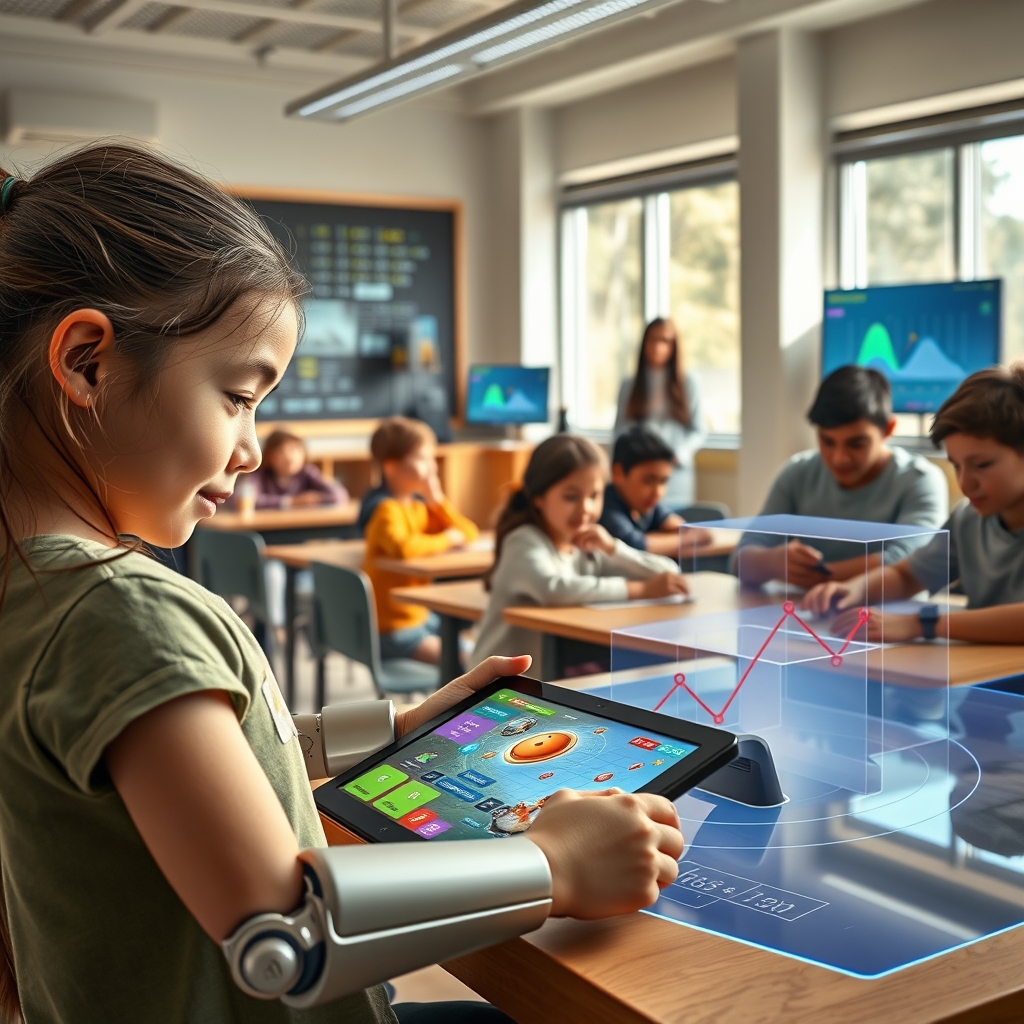
Education is no longer confined to the four walls of a classroom or the static pages of a textbook. The digital transformation sweeping across industries has reached the heart of learning, introducing tools and methodologies that are reshaping how knowledge is acquired, processed, and applied. At the forefront of this revolution is the synergy between artificial intelligence (AI) and gamified learning, a combination that is not only making education more engaging but also more inclusive and experiential. This evolution is not just about technology; it’s about reimagining the very essence of learning to meet the diverse needs of every student.
The Gamification of Learning: More Than Just Play
Gamified learning leverages the principles of game design—such as points, badges, leaderboards, and challenges—to create an immersive and interactive educational experience. But it’s far more than just turning lessons into games. At its core, gamification taps into the intrinsic motivation of learners, making the process of acquiring knowledge feel less like a chore and more like an adventure. When students are engaged, their retention improves, and their willingness to explore complex topics deepens.
AI amplifies this effect by personalizing the gamified experience. Traditional games often follow a one-size-fits-all approach, but AI can adapt in real-time to a student’s performance, adjusting difficulty levels, providing hints, or even altering the narrative to keep the learner in their optimal zone of development. For example, an AI-powered math platform might detect when a student is struggling with fractions and introduce a gamified scenario—like dividing a virtual pizza among friends—to make the concept more relatable and less intimidating. This dynamic interplay between AI and gamification ensures that learning is not just fun but also deeply effective.
Breaking Barriers with Inclusive Design
One of the most profound impacts of AI and gamified learning is their ability to democratize education. Inclusive education has long been a goal, but traditional classrooms often struggle to accommodate the diverse needs of students with disabilities, language barriers, or different learning paces. AI-driven gamified platforms are changing this narrative by offering customizable experiences that cater to individual strengths and challenges.
For instance, students with dyslexia might benefit from text-to-speech features integrated into a gamified history lesson, while those with ADHD could engage with shorter, high-energy challenges that align with their attention spans. AI can also provide real-time translations or cultural adaptations, ensuring that language and background are no longer obstacles to learning. By removing these barriers, gamified learning powered by AI is not just leveling the playing field—it’s expanding the field entirely, making education accessible to learners who might have been left behind in conventional settings.
The Role of Experiential Learning in a Digital World
Experiential learning—the process of learning through doing—has always been a cornerstone of effective education. However, replicating real-world experiences in a classroom can be challenging, especially when resources are limited. This is where AI and gamification step in, creating virtual environments that simulate real-life scenarios without the constraints of physical space or time.
Imagine a biology student exploring the human body in a 3D gamified environment, where they can dissect virtual organs, observe cellular processes in real-time, and even diagnose diseases based on symptoms. Or consider a history class where students participate in a gamified simulation of the American Revolution, making decisions that shape the outcome of the war. These experiences are not just engaging; they are transformative, allowing students to apply theoretical knowledge in practical contexts and develop critical thinking skills that transcend the classroom.
AI enhances these experiences by providing intelligent feedback and scaffolding. For example, if a student makes a mistake in a virtual chemistry lab, the AI can offer immediate guidance, explaining the error and suggesting corrections. This instant feedback loop accelerates learning and builds confidence, as students are encouraged to experiment, fail, and iterate—just as they would in the real world.
Fostering Collaboration and Social Learning
While gamified learning is often associated with individual achievement, it also has the power to foster collaboration and social learning. Multiplayer gamified platforms allow students to work together to solve problems, complete missions, or compete in team-based challenges. These interactions mirror the collaborative nature of the modern workplace, where success often depends on the ability to communicate, negotiate, and innovate as part of a team.
AI can further enrich these collaborative experiences by acting as a facilitator. For example, an AI-driven platform might pair students with complementary skills for a group project, ensuring that each member contributes meaningfully. It can also monitor group dynamics, offering suggestions to improve communication or resolve conflicts. By integrating social learning into gamified environments, AI is not just teaching academic content—it’s helping students develop the soft skills they need to thrive in an interconnected world.
The Ethical Considerations of AI in Education
As with any technological advancement, the integration of AI and gamified learning into education raises important ethical questions. Data privacy is a significant concern, as AI systems collect and analyze vast amounts of student data to personalize learning experiences. Schools and developers must ensure that this data is protected and used responsibly, with transparent policies that empower students and parents to make informed decisions.
Another consideration is the potential for over-reliance on technology. While AI and gamification can enhance learning, they should not replace the human elements of education—such as mentorship, empathy, and creativity. The goal is to strike a balance, using technology to augment rather than overshadow the role of educators. Teachers remain irreplaceable in their ability to inspire, guide, and connect with students on a personal level, and their expertise is crucial in designing and implementing AI-driven learning experiences that are both effective and ethical.
The fusion of AI and gamified learning is not just a trend; it’s a fundamental shift in how we approach education. By making learning more engaging, inclusive, and experiential, these tools are empowering students to take ownership of their educational journeys. They are breaking down barriers, fostering collaboration, and preparing learners for a future where adaptability and critical thinking are paramount. As we continue to explore the possibilities of this synergy, one thing is clear: the future of education is not just about what students learn, but how they learn—and with AI and gamification, the possibilities are limitless. The classroom of tomorrow is here today, and it’s more dynamic, more inclusive, and more exciting than ever before.



