
From Algorithms to Empathy: How AI is Humanizing Education Through Personalized and Experiential Pathways
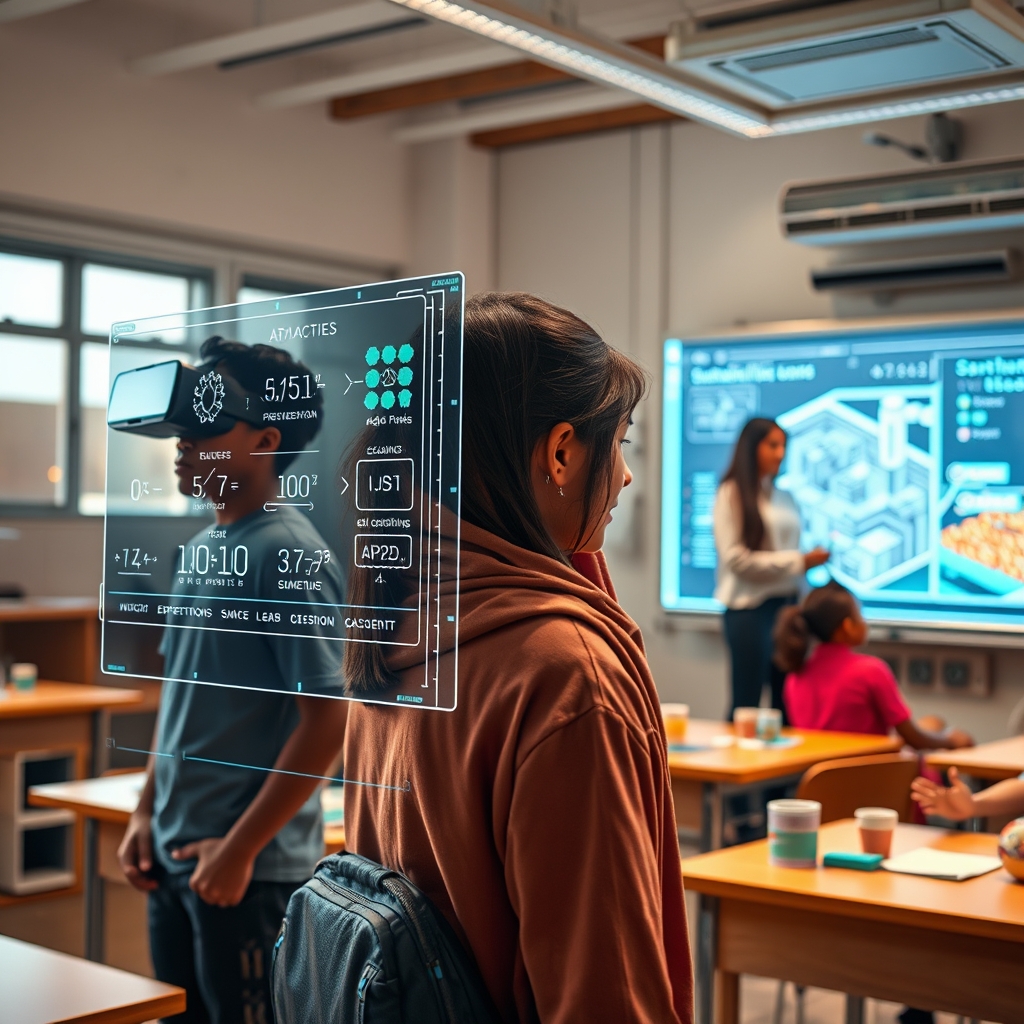
The intersection of artificial intelligence and education is no longer a futuristic concept—it is a dynamic reality reshaping how knowledge is acquired, applied, and valued. While AI’s computational power is often celebrated for its efficiency, its true potential lies in its ability to foster deeper human connections, adapt to individual needs, and create learning experiences that are as emotionally resonant as they are intellectually rigorous. The shift from standardized instruction to AI-driven, experiential learning is not just about technology; it is about reimagining education as a journey that honors the uniqueness of every learner.
The Rise of Personalized Learning Ecosystems
Traditional education systems have long operated on a one-size-fits-all model, where students progress at a uniform pace, often leaving some behind while others stagnate. AI is dismantling this outdated framework by enabling personalized learning ecosystems that adapt in real time to a student’s strengths, weaknesses, and interests. Intelligent tutoring systems, for instance, use machine learning algorithms to analyze a learner’s performance, identify gaps in understanding, and deliver tailored content that addresses those gaps. This approach ensures that no student is left struggling in silence or unchallenged by material that fails to engage them.
Beyond mere content delivery, AI-powered platforms are integrating learning analytics to provide educators with actionable insights. These tools track engagement levels, predict at-risk students, and suggest interventions, allowing teachers to shift from being mere instructors to facilitators of meaningful growth. When combined with blended learning models, where digital and in-person instruction coexist, AI creates a fluid learning environment that meets students where they are—whether in a classroom, at home, or on the go.
Experiential Learning in the Age of AI
Education is not just about absorbing information; it is about applying knowledge in ways that foster critical thinking, creativity, and problem-solving. AI is amplifying experiential learning by simulating real-world scenarios, enabling students to engage in interdisciplinary projects that mirror the complexities of modern workplaces. For example, generative AI tools can create virtual labs for STEM students, allowing them to conduct experiments, fail safely, and iterate without the constraints of physical resources. Similarly, project-based learning (PBL) is being enhanced by AI-driven platforms that provide instant feedback, suggest resources, and even collaborate with students as they develop solutions to authentic challenges.
This shift toward experiential learning is particularly transformative for fields like engineering and computer science, where hands-on practice is essential. AI-powered simulations can replicate the pressures of a high-stakes engineering project or the iterative process of coding, giving students the confidence to tackle real-world problems. Moreover, these tools are making experiential learning more accessible, breaking down barriers for students in under-resourced schools who may not have access to traditional labs or equipment.
The Role of Digital Literacy in an AI-Driven World
As AI becomes more embedded in education, digital literacy is no longer a supplementary skill—it is a fundamental requirement. Students must learn not only how to use AI tools but also how to critically evaluate their outputs, understand their limitations, and apply them ethically. This goes beyond basic computer skills; it involves cultivating a mindset that questions the biases inherent in algorithms, recognizes the importance of data privacy, and values transparency in AI-driven decision-making.
Educators play a crucial role in fostering this literacy by integrating AI ethics into curricula and encouraging students to explore the societal implications of technology. For instance, discussions about generative AI can extend beyond its creative potential to examine issues like deepfakes, misinformation, and the digital divide. By doing so, schools prepare students to navigate an AI-driven world responsibly, ensuring they become not just consumers of technology but informed and conscientious creators.
Bridging Gaps Through Inclusive and Equitable Design
One of AI’s most promising contributions to education is its potential to advance inclusive education and educational equity. Traditional classrooms often struggle to accommodate students with diverse learning needs, whether due to disabilities, language barriers, or socioeconomic challenges. AI is changing this by offering adaptive tools that personalize instruction for every learner. For example, speech-to-text and text-to-speech applications support students with dyslexia or visual impairments, while translation tools break down language barriers for non-native speakers. These innovations ensure that learning is not a privilege reserved for the few but a right accessible to all.
Furthermore, AI is helping to address systemic inequities by providing underserved communities with access to high-quality educational resources. Online degree programs and microlearning platforms powered by AI can reach students in remote or low-income areas, offering flexible pathways to education that fit their circumstances. When combined with gamified learning—where educational content is delivered through interactive, game-like experiences—AI makes learning engaging and motivating, even for students who may have disengaged from traditional schooling.
The Future of Lifelong Learning
The concept of education as a finite phase of life is rapidly becoming obsolete. In a world where technological advancements and economic shifts demand continuous upskilling, lifelong learning is essential. AI is at the forefront of this transformation, enabling learners of all ages to acquire new skills and knowledge at their own pace. Intelligent tutoring systems can guide professionals through complex subjects, while microlearning modules allow them to master specific topics in bite-sized chunks. This flexibility is particularly valuable in fields like STEM, where staying current with emerging technologies is critical to career success.
Moreover, AI is making lifelong learning more social and collaborative. Platforms that incorporate social learning features—such as peer feedback, discussion forums, and group projects—create communities of learners who support and challenge one another. This collaborative approach not only enhances the learning experience but also fosters a culture of continuous growth, where education is seen as a lifelong journey rather than a destination.
As artificial intelligence continues to evolve, its role in education will expand beyond mere efficiency to encompass empathy, creativity, and equity. The most profound impact of AI may not be in its ability to automate tasks but in its capacity to humanize learning, making it more personal, inclusive, and meaningful. By embracing these technologies thoughtfully, educators can create learning experiences that inspire curiosity, nurture potential, and prepare students for a future where the boundaries between human and machine collaboration are beautifully blurred.



