
How Artificial Intelligence is Revolutionizing Personalized Learning in Modern Education
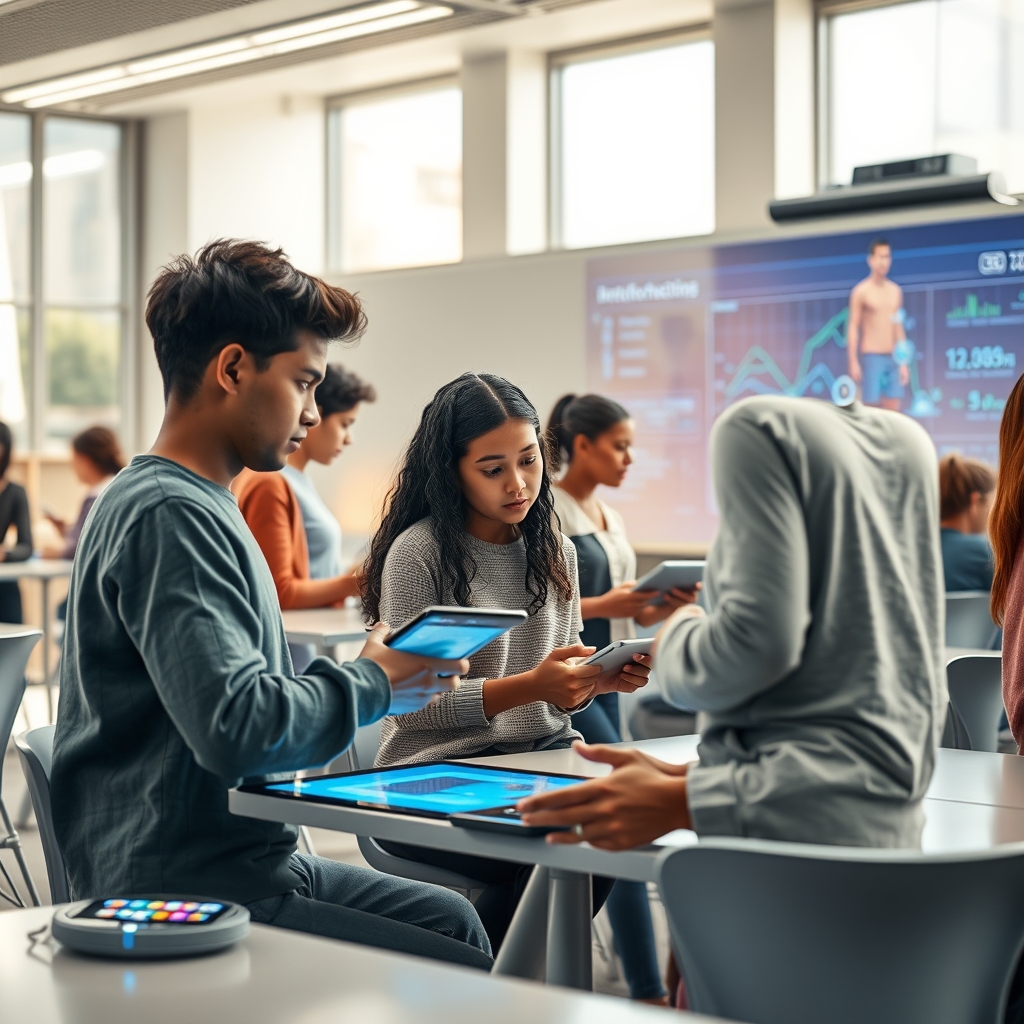
Education is undergoing a seismic shift, driven by the rapid advancement of technology and the growing demand for more adaptive, inclusive, and engaging learning experiences. At the heart of this transformation is Artificial Intelligence (AI), a powerful tool that is redefining how students learn, how educators teach, and how institutions operate. From personalized learning pathways to intelligent tutoring systems, AI is not just enhancing education—it is reshaping its very foundations.
The Rise of Personalized Learning
Traditional education models often follow a one-size-fits-all approach, where students progress through a standardized curriculum at the same pace. However, this method fails to account for the unique strengths, weaknesses, and learning styles of individual students. AI is changing this dynamic by enabling personalized learning experiences that adapt to each student’s needs.
Through learning analytics and adaptive learning platforms, AI can analyze a student’s performance in real-time, identifying areas where they excel and where they struggle. For example, if a student consistently answers math problems incorrectly, the system can provide additional resources, alternative explanations, or even adjust the difficulty level to ensure mastery before moving forward. This level of customization was once unimaginable but is now becoming a reality in classrooms around the world.
Intelligent Tutoring Systems: The 24/7 Learning Companion
One of the most exciting applications of AI in education is the development of intelligent tutoring systems (ITS). These systems act as virtual tutors, providing students with instant feedback, hints, and explanations tailored to their specific needs. Unlike human tutors, ITS are available around the clock, ensuring that students can receive support whenever they need it.
Platforms like Carnegie Learning’s MATHia and Duolingo’s AI-driven language lessons leverage natural language processing and machine learning to engage students in interactive, conversational learning. These systems not only help students grasp difficult concepts but also foster critical thinking and problem-solving skills by encouraging them to explore different approaches to a problem.
Blended and Hybrid Learning: The Best of Both Worlds
The COVID-19 pandemic accelerated the adoption of online degree programs and hybrid learning models, but AI is taking these approaches to the next level. By integrating AI into blended learning environments, educators can create more dynamic and flexible learning experiences that combine the benefits of in-person instruction with the convenience of digital tools.
For instance, AI-powered platforms can curate personalized learning paths for students, blending video lectures, interactive simulations, and collaborative projects. Teachers can then use data from these platforms to identify trends, monitor progress, and intervene when necessary. This hybrid approach not only enhances student engagement but also ensures that learning remains accessible to all, regardless of their location or circumstances.
Gamified Learning: Making Education Fun and Engaging
Gamification is another area where AI is making a significant impact. By incorporating game-like elements such as points, badges, leaderboards, and challenges, gamified learning platforms make education more interactive and enjoyable. AI enhances this experience by dynamically adjusting the difficulty of tasks based on a student’s performance, ensuring that they remain challenged but not overwhelmed.
Platforms like Kahoot! and Classcraft use AI to create immersive learning experiences that motivate students to participate actively. These tools are particularly effective in subjects like Science, Technology, Engineering, and Mathematics (STEM), where hands-on, experiential learning can make complex concepts more accessible and engaging.
Promoting Inclusive Education and Educational Equity
One of the most profound impacts of AI in education is its potential to promote inclusive education and educational equity. AI-powered tools can help bridge gaps for students with disabilities, language barriers, or socio-economic challenges by providing tailored support and resources.
For example, AI-driven speech-to-text and text-to-speech technologies can assist students with dyslexia or visual impairments, while translation tools can help non-native speakers access educational content in their preferred language. Additionally, AI can identify and address biases in educational materials, ensuring that all students see themselves represented in the curriculum.
Microlearning and Lifelong Learning: Education for the Modern World
In today’s fast-paced world, the concept of lifelong learning has never been more important. AI is enabling microlearning—bite-sized, focused learning modules that can be completed in minutes—making it easier for professionals and students alike to acquire new skills on the go.
Platforms like Coursera, Udemy, and LinkedIn Learning use AI to recommend courses based on a user’s interests, career goals, and past learning behavior. This personalized approach not only makes learning more efficient but also empowers individuals to take control of their educational journey, whether they are pursuing a new career, upskilling, or simply exploring a passion.
The Future of AI in Education: Challenges and Opportunities
While the potential of AI in education is immense, it is not without its challenges. Concerns about data privacy, the digital divide, and the ethical use of AI are valid and must be addressed to ensure that these technologies are used responsibly. Additionally, the role of educators remains irreplaceable—AI should be seen as a tool to augment teaching, not replace it.
As AI continues to evolve, so too will its applications in education. From project-based learning to interdisciplinary learning, the possibilities are endless. The key to success lies in striking a balance between leveraging AI’s capabilities and preserving the human elements of education—empathy, creativity, and connection. By doing so, we can create a future where every learner has the opportunity to thrive, regardless of their background or circumstances.
The journey of integrating AI into education is just beginning, but its impact is already undeniable. As classrooms become smarter and learning becomes more personalized, the promise of a more equitable, engaging, and effective education system is within reach. The question is no longer whether AI will transform education, but how we can harness its power to create a brighter future for all learners.



