The AI Learning Nexus: How Generative Tools and Learning Analytics Are Crafting the Future of Inclusive, Project-Based Education
The modern classroom is no longer confined to four walls, nor is learning a linear journey dictated by a one-size-fits-all curriculum. The integration of artificial intelligence into education has ushered in an era where learning is dynamic, adaptive, and deeply personal. At the heart of this transformation lies the synergy between generative tools and learning analytics, a powerful combination that is redefining how educators approach inclusivity, project-based learning, and the cultivation of critical thinking skills. This nexus of technology and pedagogy is not just enhancing education—it is fundamentally reshaping its future.
The Power of Generative Tools in Education
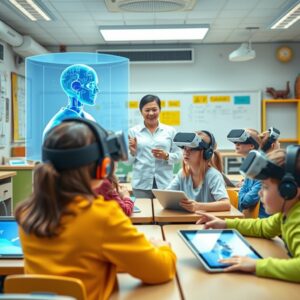
Generative AI tools, such as large language models and AI-driven content creation platforms, are revolutionizing the way educational content is designed, delivered, and consumed. These tools enable educators to create customized learning materials tailored to the unique needs of each student, breaking free from the constraints of traditional textbooks and standardized lesson plans. For instance, an AI-powered platform can generate reading passages at varying difficulty levels, ensuring that students of all abilities are challenged without feeling overwhelmed. Similarly, generative tools can produce interactive quizzes, simulations, and even virtual labs that adapt in real-time to a student’s progress, providing instant feedback and targeted support.
Beyond content creation, generative AI is also transforming the way students engage with learning. Tools like AI-driven writing assistants help students refine their essays by offering suggestions for clarity, coherence, and creativity. Meanwhile, AI-powered chatbots can simulate historical figures or scientific concepts, allowing students to engage in immersive, dialogue-based learning experiences. These tools do more than just enhance engagement—they foster a deeper understanding of complex topics by making abstract concepts tangible and interactive.
Learning Analytics: The Backbone of Personalized Education
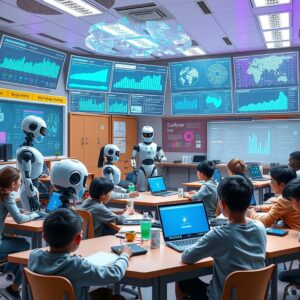
While generative tools provide the content and interactive elements of modern education, learning analytics serve as the backbone that ensures these tools are used effectively. Learning analytics involve the collection, measurement, and analysis of data about learners and their contexts, with the goal of understanding and optimizing learning experiences. By tracking metrics such as engagement levels, time spent on tasks, and patterns in mistakes, educators can gain invaluable insights into how students learn best.
For example, learning analytics can identify students who are struggling with a particular concept before they fall behind, allowing teachers to intervene with targeted support. Similarly, these analytics can reveal which teaching methods are most effective for different groups of students, enabling educators to refine their strategies in real-time. In project-based learning environments, analytics can track collaboration dynamics, helping teachers foster teamwork and communication skills by addressing imbalances in participation or contribution.
Moreover, learning analytics play a crucial role in promoting educational equity. By analyzing data on student performance across different demographics, schools can identify and address systemic biases in their curricula or teaching methods. For instance, if analytics reveal that students from certain backgrounds consistently underperform in a particular subject, educators can investigate whether cultural or linguistic barriers are at play and adjust their approach accordingly. This data-driven approach ensures that every student, regardless of their background, has the opportunity to succeed.
Project-Based Learning in the Age of AI
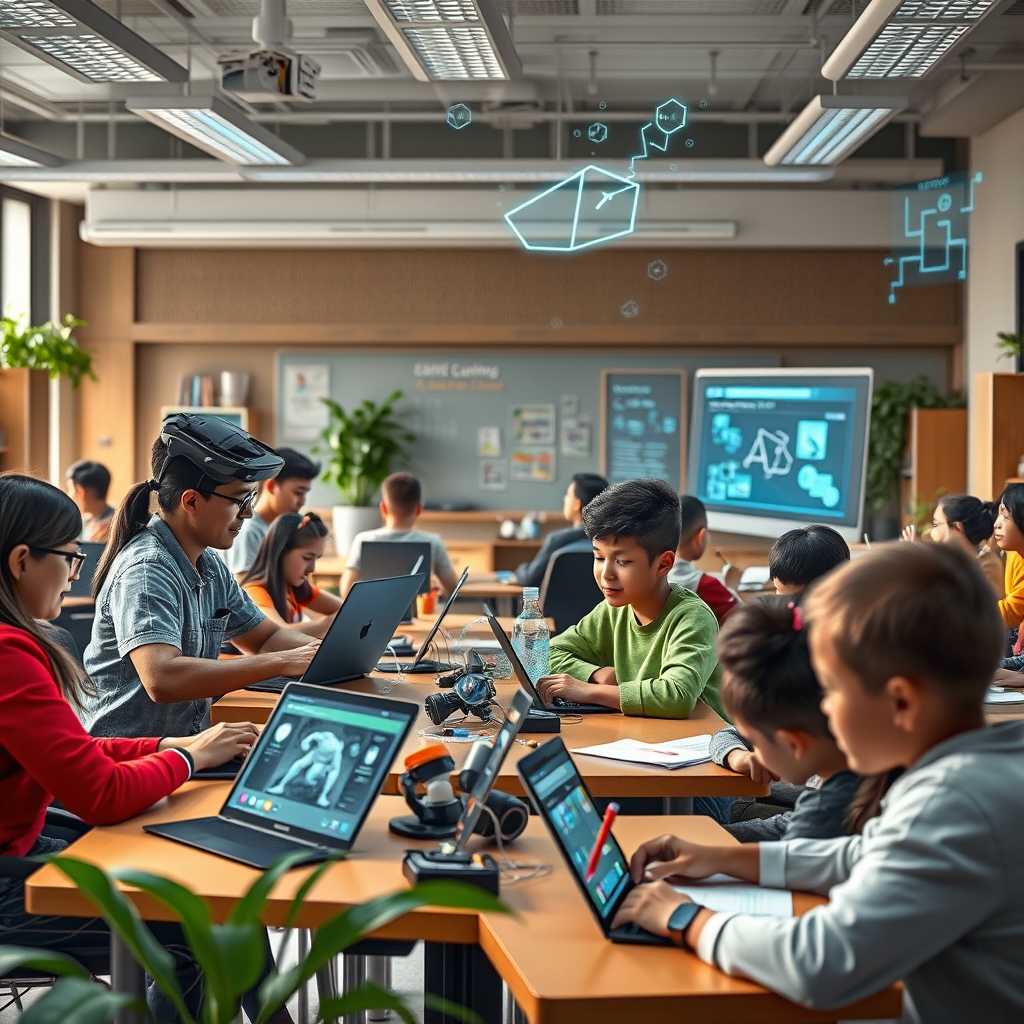
Project-based learning (PBL) has long been celebrated for its ability to engage students in real-world problem-solving, critical thinking, and collaboration. However, the integration of AI and learning analytics is taking PBL to new heights. AI-powered tools can now assist students in every phase of a project, from brainstorming and research to execution and presentation. For example, AI can help students generate hypotheses, analyze data, or even create prototypes, freeing them to focus on higher-order thinking and creativity.
Learning analytics further enhance PBL by providing teachers with a granular view of each student’s contributions and progress. This allows educators to offer personalized guidance, ensuring that every student is challenged and supported according to their individual needs. For instance, if a student is excelling in the research phase of a project but struggling with collaboration, the teacher can step in to provide targeted coaching on teamwork skills. Conversely, if a student is disengaged, analytics can help identify the root cause—whether it’s a lack of interest in the topic, difficulty with the material, or external factors—and allow the teacher to intervene appropriately.
AI also enables PBL to become more interdisciplinary, breaking down the silos between subjects and encouraging students to draw connections between different fields of study. For example, a project on climate change might integrate science, mathematics, social studies, and even art, with AI tools providing resources and support across all these disciplines. This holistic approach not only makes learning more engaging but also prepares students for the complex, interconnected challenges they will face in the real world.
Inclusive Education Through AI
One of the most profound impacts of AI in education is its potential to make learning more inclusive. Generative tools and learning analytics can be tailored to accommodate a wide range of learning needs, from students with disabilities to those who are gifted or English language learners. For example, AI-powered text-to-speech and speech-to-text tools can support students with dyslexia or visual impairments, while real-time translation tools can help non-native speakers access content in their preferred language. Meanwhile, adaptive learning platforms can adjust the pace and difficulty of lessons to match each student’s abilities, ensuring that no one is left behind.
Inclusive education is not just about accommodating differences—it’s about celebrating them. AI can help create learning environments where diversity is seen as a strength rather than a challenge. For instance, AI-driven collaborative platforms can pair students with complementary skills, fostering peer learning and mutual respect. Similarly, AI can help teachers design projects that reflect the cultural backgrounds and interests of their students, making learning more relevant and meaningful for everyone.
The Ethical Considerations of AI in Education
While the benefits of AI in education are vast, it is essential to address the ethical considerations that come with its adoption. Data privacy is a primary concern, as learning analytics rely on the collection of sensitive student information. Schools and edtech companies must ensure that this data is stored securely and used responsibly, with clear policies in place to protect students’ privacy. Additionally, there is the risk of algorithmic bias, where AI systems may inadvertently perpetuate existing inequalities if they are trained on biased data. To mitigate this, educators and developers must work together to create transparent, fair, and inclusive AI systems.
Another ethical consideration is the role of the teacher in an AI-enhanced classroom. While AI can provide valuable support, it should not replace the human element of teaching. Teachers bring empathy, creativity, and moral guidance to the learning process—qualities that AI cannot replicate. The goal of AI in education should be to augment, not replace, the role of educators, freeing them from administrative tasks so they can focus on what they do best: inspiring and nurturing their students.
The fusion of generative tools and learning analytics is creating a new paradigm in education, one where learning is personalized, inclusive, and deeply engaging. By harnessing the power of AI, educators can move beyond the limitations of traditional teaching methods and create dynamic, student-centered learning experiences that prepare students for the challenges of the 21st century. As we continue to explore the possibilities of this technology, it is crucial to remain mindful of its ethical implications and ensure that AI is used as a force for equity and empowerment. In doing so, we can build an educational system that not only meets the needs of all learners but also inspires them to reach their full potential, regardless of where they come from or how they learn best.