
The Unseen Classroom: How AI and Digital Literacy Are Crafting the Future of Experiential and Inclusive Education Beyond Traditional Boundaries
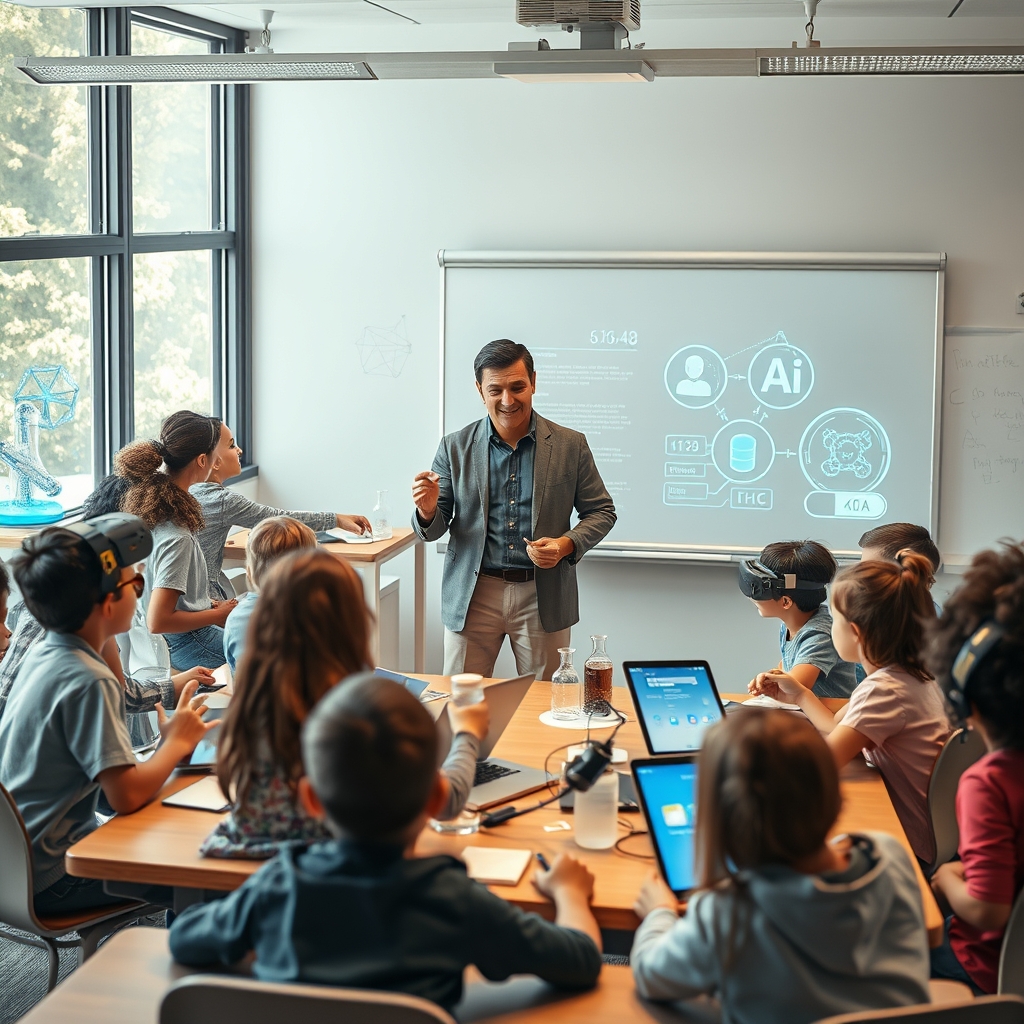
The modern classroom is no longer confined to four walls or a fixed schedule. It has expanded into a dynamic, ever-evolving space where artificial intelligence (AI) and digital literacy are redefining what it means to learn. This transformation is not just about technology; it’s about creating experiences that are deeply personal, inherently inclusive, and profoundly connected to the real world. As AI continues to permeate education, it is dismantling traditional barriers, fostering experiential learning, and ensuring that every student—regardless of background or ability—has the opportunity to thrive.
The Rise of Experiential Learning in the Digital Age
Experiential learning has long been celebrated as one of the most effective ways to engage students, but its integration into mainstream education has often been limited by logistical constraints. AI is changing that. By leveraging intelligent systems, educators can now simulate real-world scenarios, create immersive virtual environments, and provide instant feedback that mirrors the complexities of professional and personal challenges. For instance, AI-powered platforms can generate interactive case studies in business courses, allowing students to navigate high-stakes decisions in a risk-free setting. In science classrooms, virtual labs enable experiments that would be too dangerous, expensive, or time-consuming to conduct in person.
These tools do more than just replicate experiences; they adapt to the learner’s pace and style. An AI-driven simulation can adjust its difficulty in real-time, ensuring that students are neither overwhelmed nor underchallenged. This level of personalization is particularly impactful for students who may struggle in traditional settings, offering them a tailored pathway to mastery. Moreover, AI can track progress through learning analytics, providing educators with insights into how students engage with material, where they excel, and where they need additional support.
Digital Literacy: The Foundation of an AI-Augmented Education
As AI becomes more embedded in education, digital literacy is no longer an optional skill—it is a necessity. But digital literacy in the age of AI goes beyond knowing how to use a computer or navigate the internet. It encompasses the ability to critically evaluate information, understand the ethical implications of technology, and leverage digital tools to solve complex problems. AI can play a pivotal role in cultivating these skills by exposing students to generative tools, data analysis platforms, and collaborative digital environments from an early age.
For example, AI-powered writing assistants can help students refine their communication skills by offering real-time suggestions for clarity, tone, and structure. Similarly, generative AI tools can be used to teach creativity and innovation, allowing students to explore ideas in ways that were previously unimaginable. However, with these opportunities come challenges. Educators must guide students in understanding the limitations of AI, such as biases in algorithms or the potential for misinformation. By fostering a culture of critical thinking, schools can ensure that students are not just consumers of technology but informed, ethical creators.
Breaking Down Barriers: AI and Inclusive Education
One of the most transformative aspects of AI in education is its potential to make learning more inclusive. Traditional classrooms often struggle to accommodate the diverse needs of students, whether due to learning disabilities, language barriers, or socioeconomic constraints. AI is helping to level the playing field by providing tools that adapt to individual needs. For instance, intelligent tutoring systems can offer personalized support to students with dyslexia, using speech-to-text and text-to-speech technologies to make content more accessible. Similarly, AI-powered translation tools can break down language barriers, allowing non-native speakers to engage with material in their preferred language.
Beyond accessibility, AI is also fostering equity by democratizing access to high-quality education. Online degree programs and microlearning platforms, powered by AI, enable students from underserved communities to pursue education on their own terms. These platforms can offer flexible scheduling, affordable pricing, and personalized learning paths, making education more attainable for those who might otherwise be left behind. However, it’s crucial to recognize that technology alone cannot solve systemic inequities. Schools and policymakers must work together to ensure that AI tools are implemented in ways that prioritize equity, rather than exacerbating existing disparities.
The Human Element: Why AI Cannot Replace Educators
While AI is revolutionizing education, it is not a replacement for human educators. Instead, it serves as a powerful tool that can enhance the work of teachers, allowing them to focus on what they do best: inspiring, mentoring, and connecting with students. AI can handle administrative tasks, such as grading or attendance tracking, freeing up time for educators to engage in meaningful interactions with their students. It can also provide data-driven insights that help teachers identify struggling students early and intervene with targeted support.
Moreover, the most effective learning experiences often emerge from the synergy between AI and human ingenuity. For example, project-based learning (PBL) thrives when students collaborate on real-world challenges, and AI can augment this process by providing resources, generating ideas, or even facilitating peer feedback. In this way, AI becomes a partner in the educational journey, rather than a substitute for human connection.
The Future of Learning: A Blend of Technology and Humanity
The integration of AI into education is not just about preparing students for the future; it’s about reimagining what education can be in the present. By combining the power of AI with experiential learning, digital literacy, and a commitment to inclusivity, we can create educational experiences that are more engaging, equitable, and effective. These tools have the potential to transform classrooms into spaces where every student feels seen, supported, and empowered to reach their full potential. Yet, as we embrace this future, we must remain mindful of the ethical considerations and ensure that technology serves as a bridge to opportunity, rather than a barrier. The goal is not to replace the human touch in education but to amplify it, using AI to create a learning environment that is as dynamic and diverse as the students it serves.
As we stand on the brink of this educational revolution, one thing is clear: the classrooms of tomorrow will be shaped by the choices we make today. By harnessing the potential of AI while staying grounded in our commitment to equity and human connection, we can craft a future where learning knows no limits, and every student has the chance to shine.



